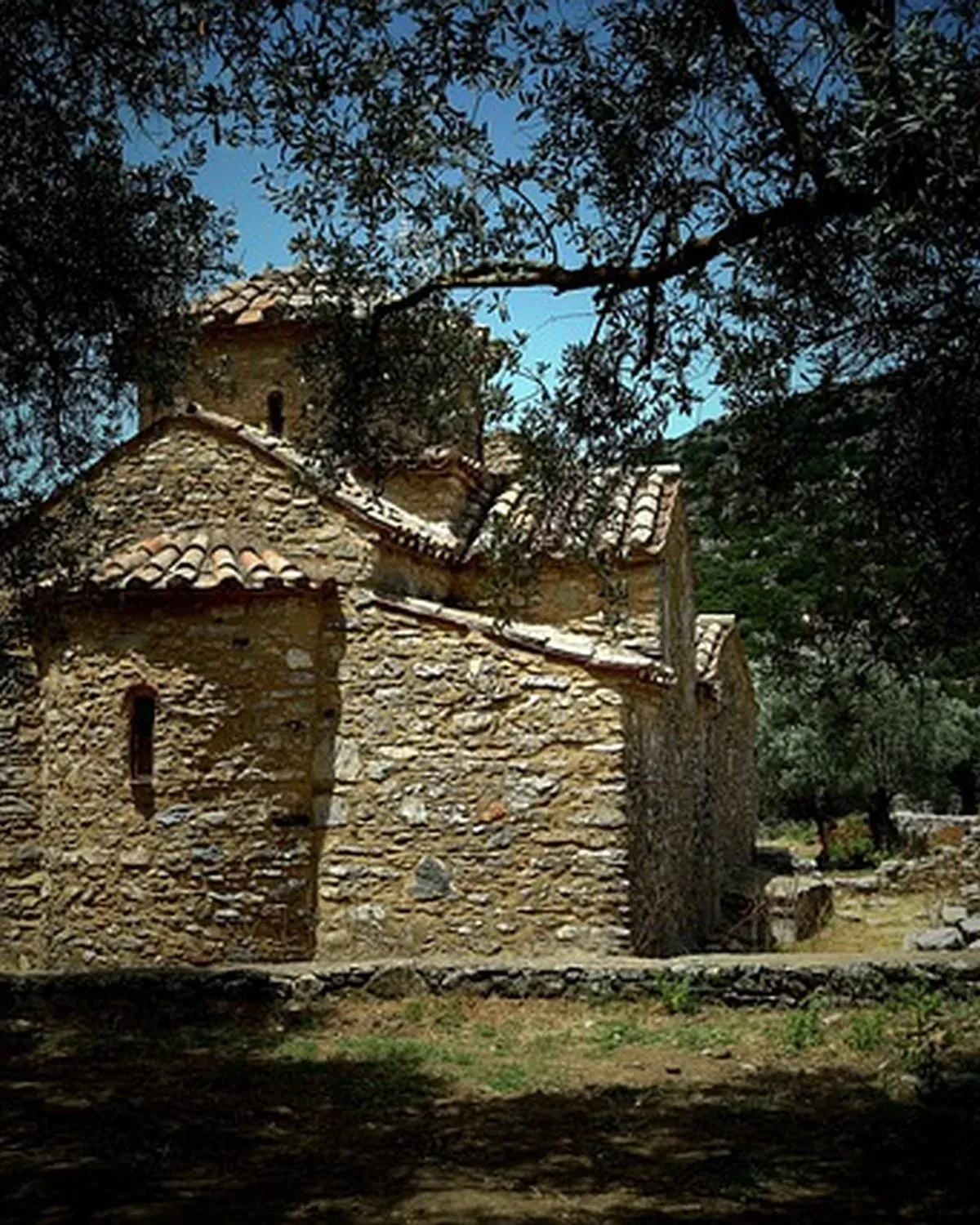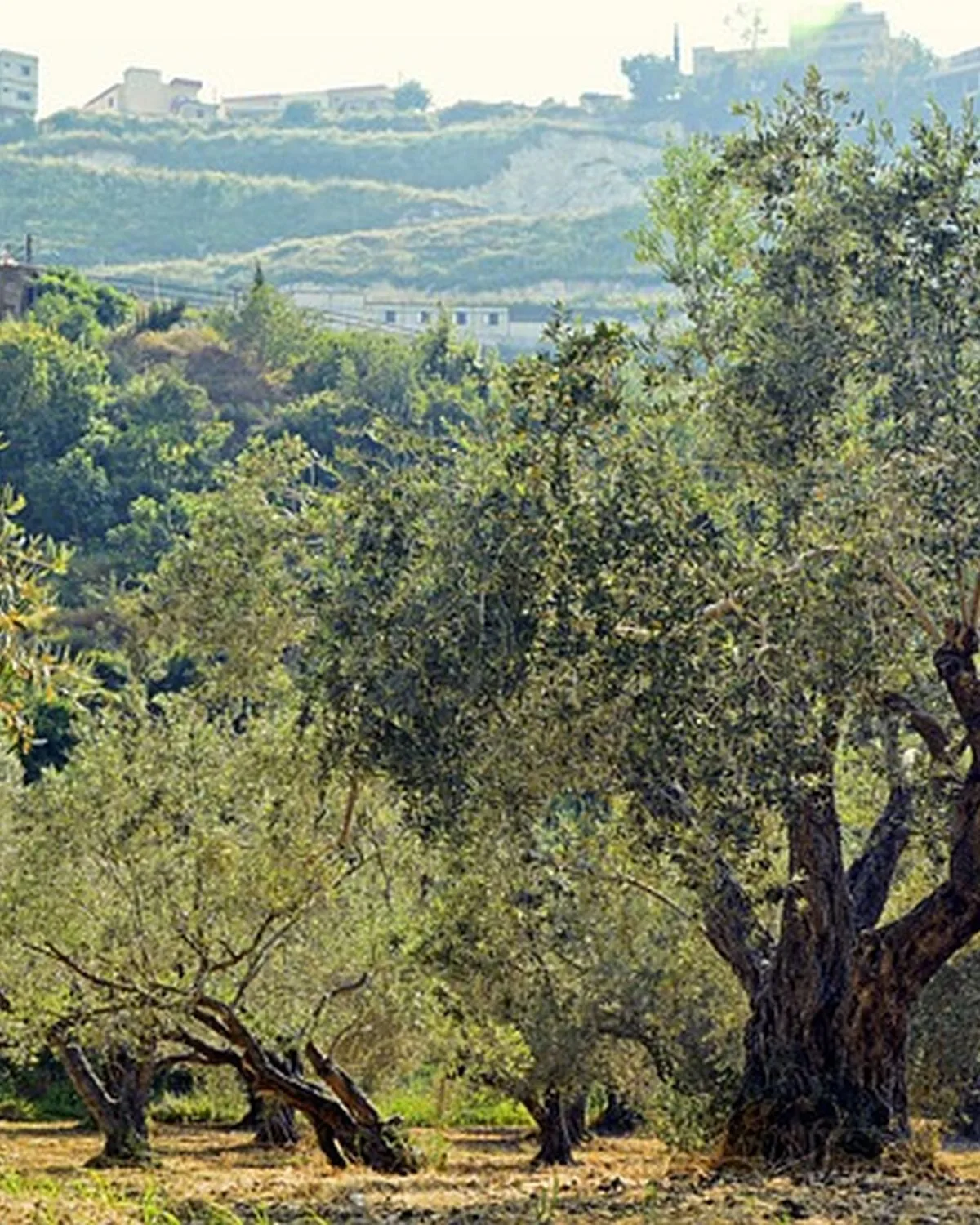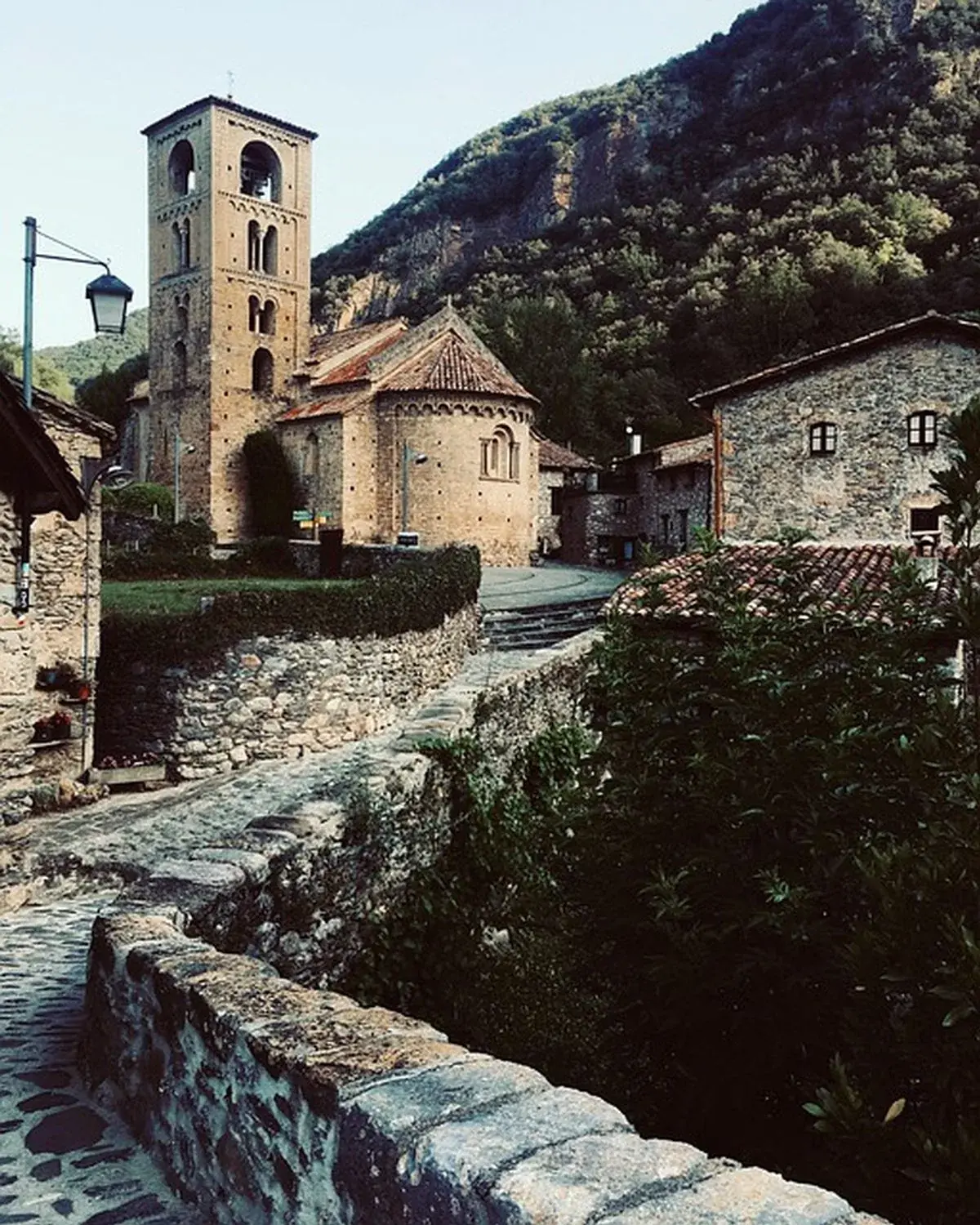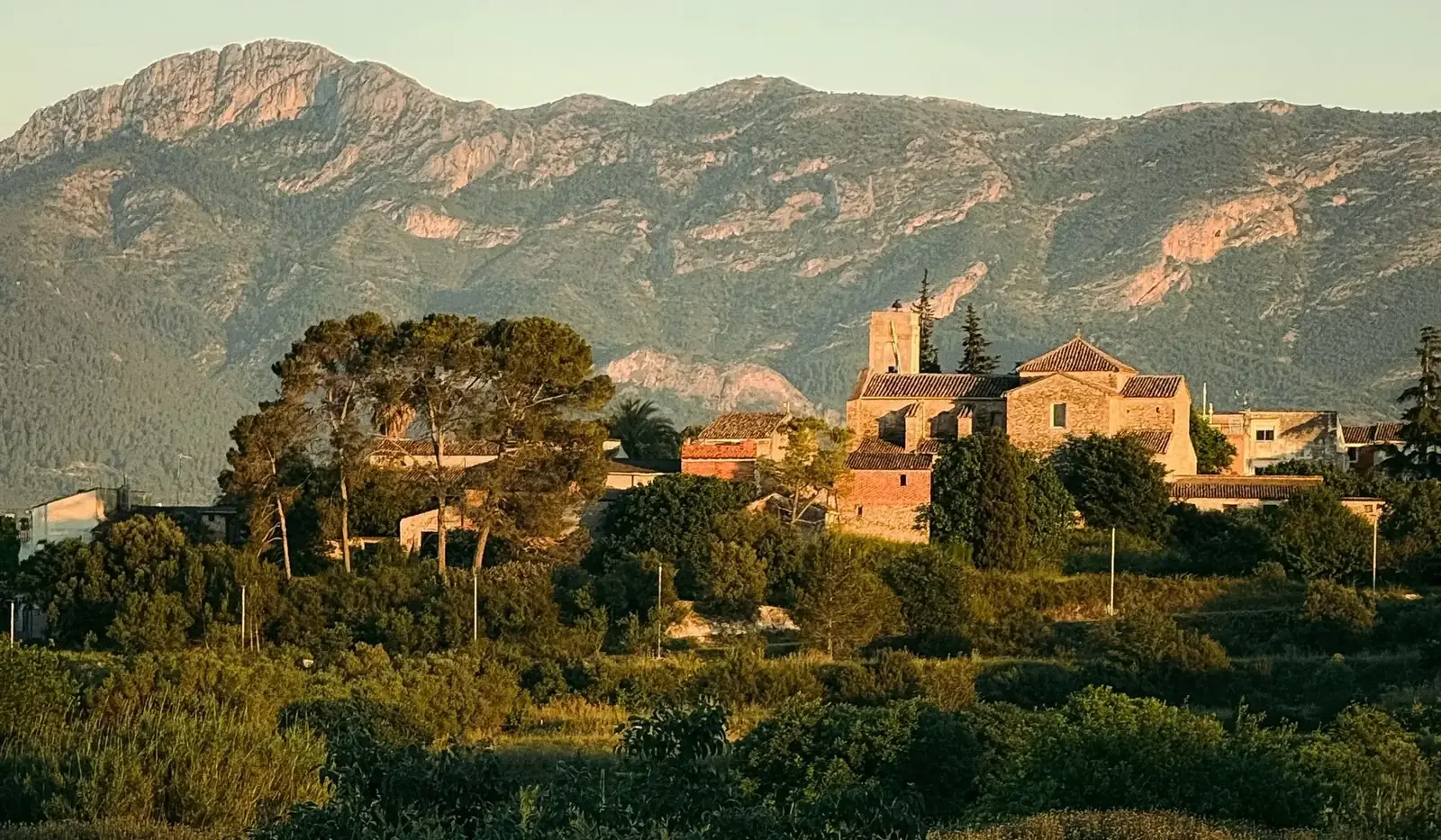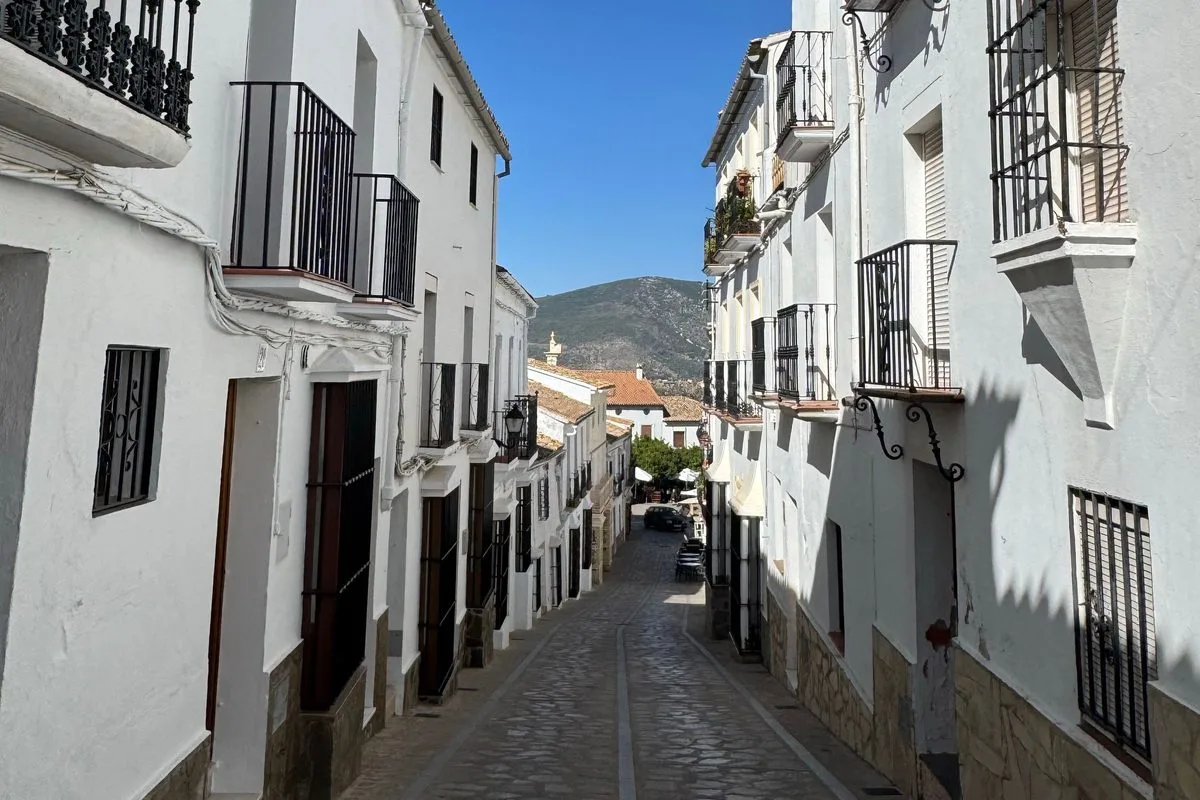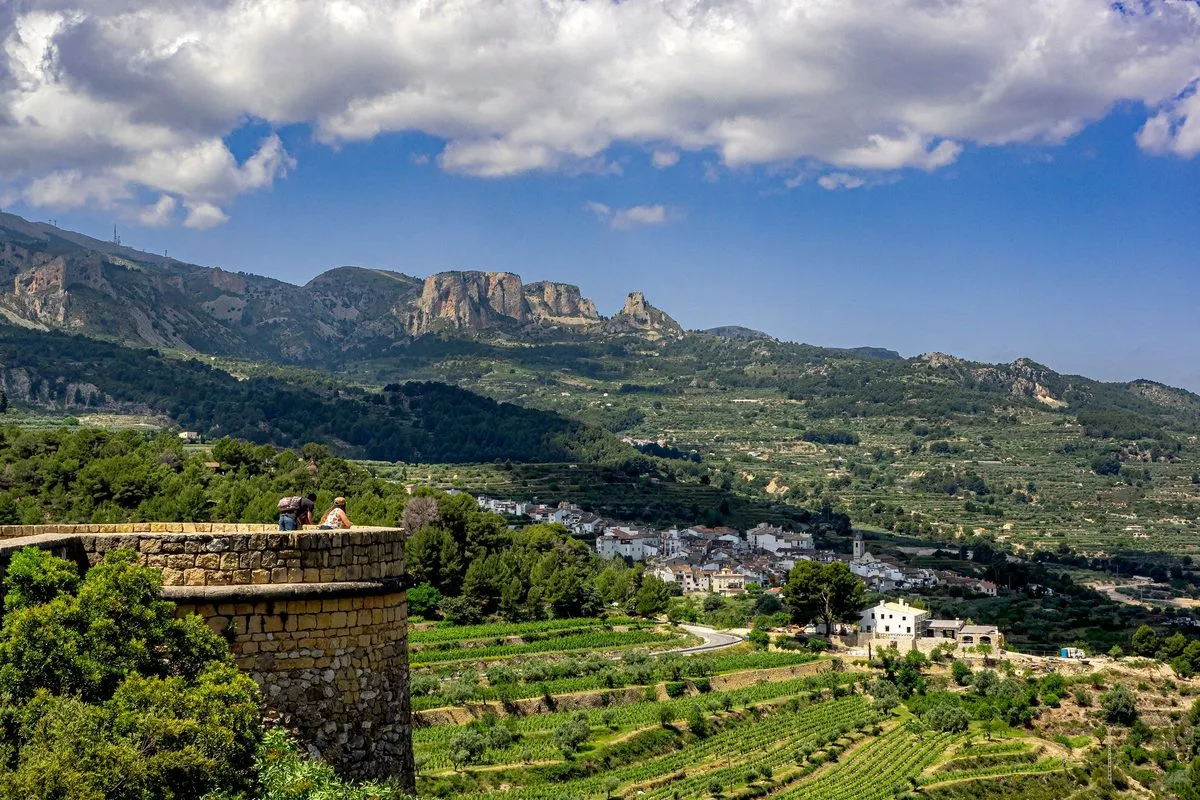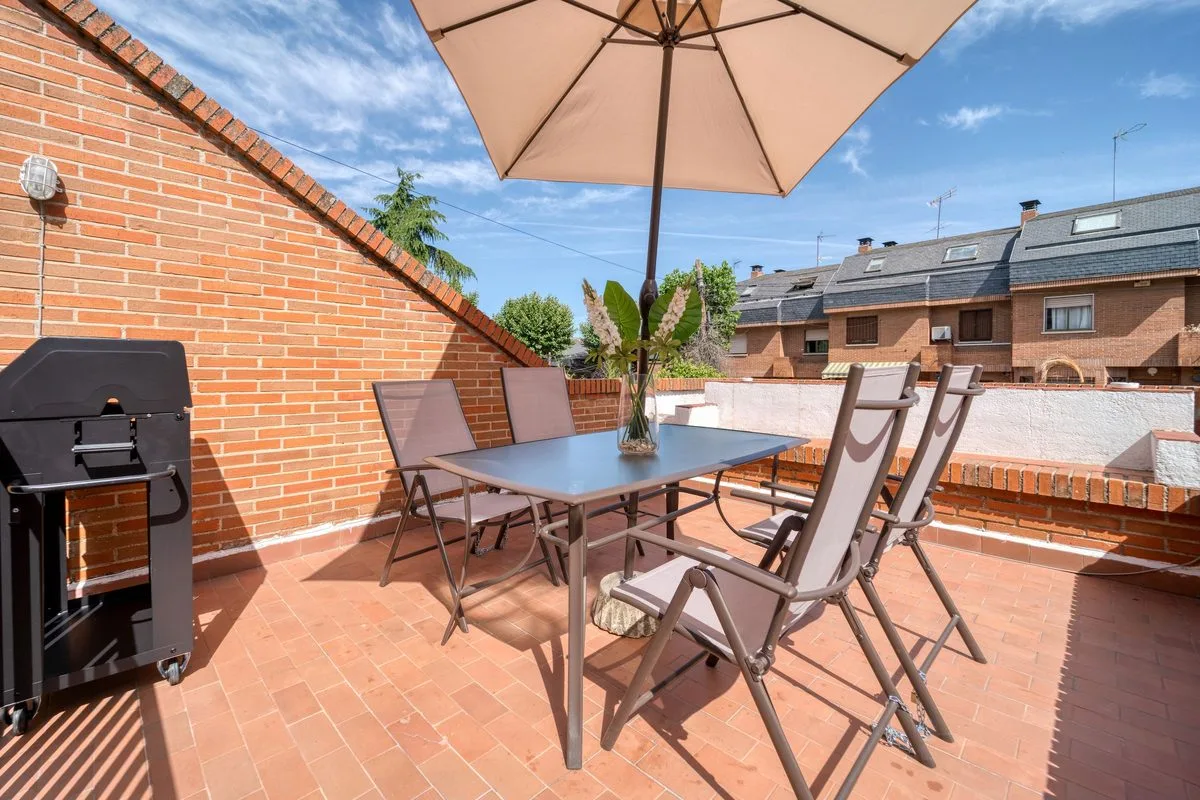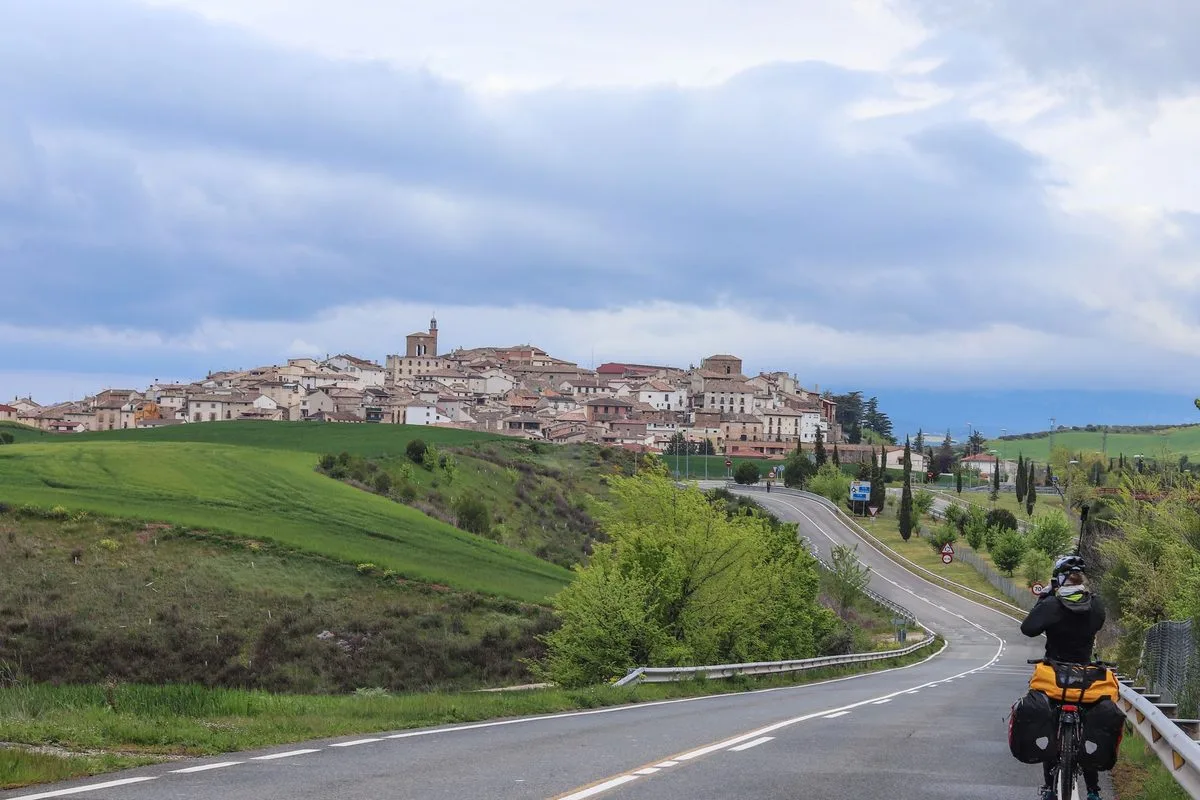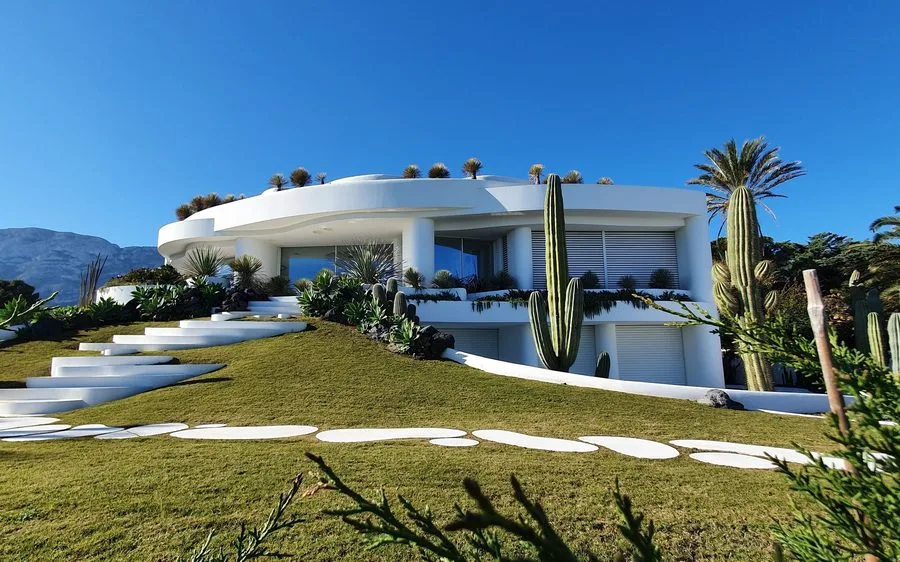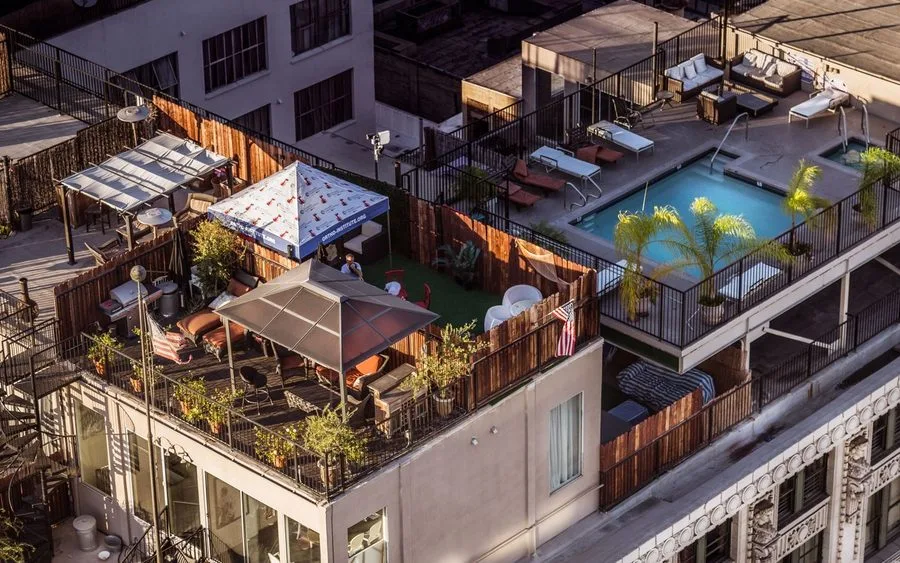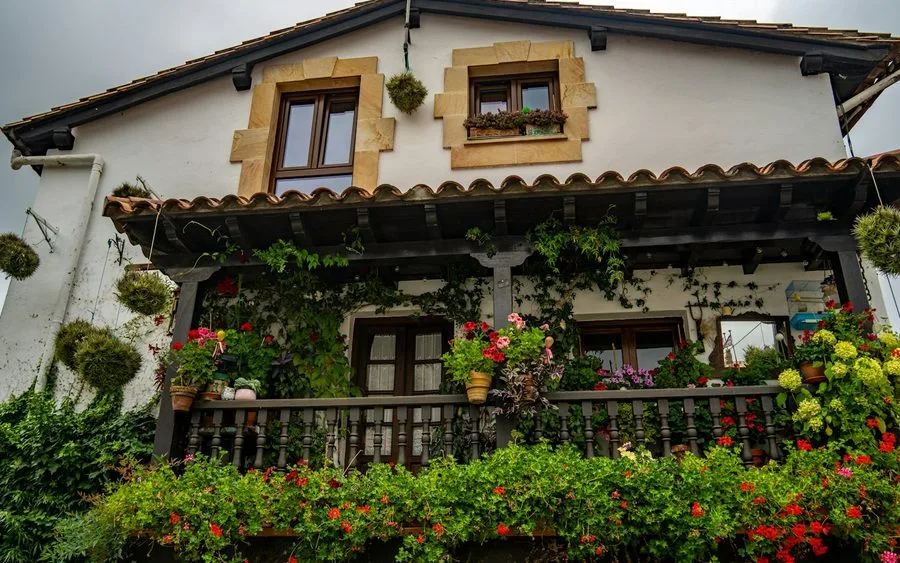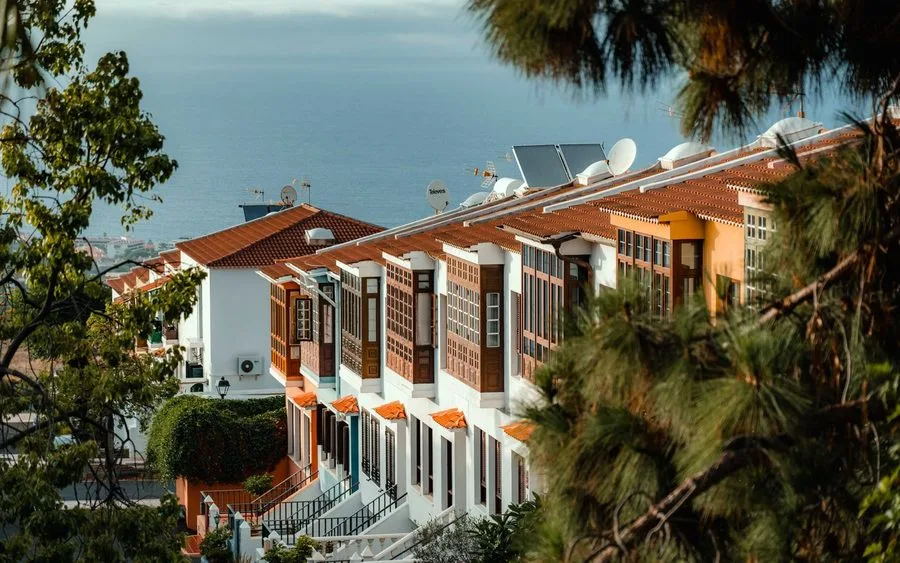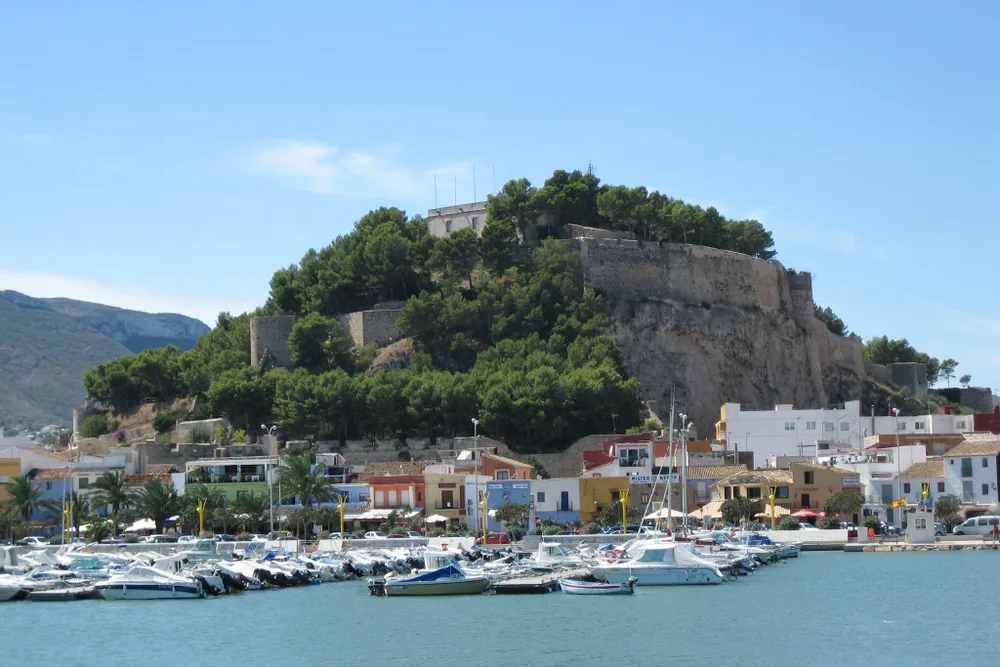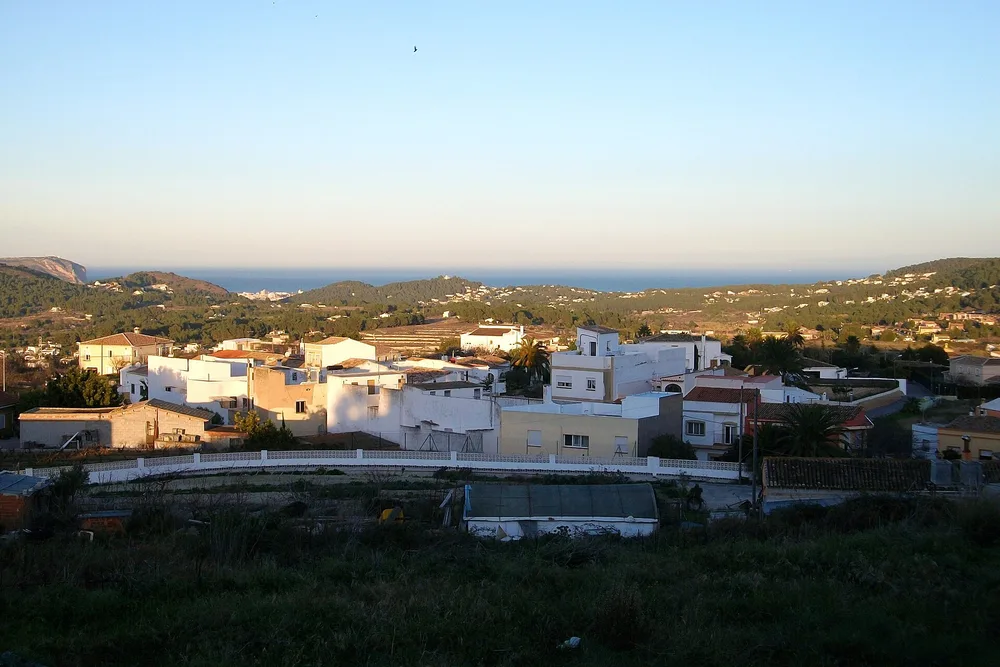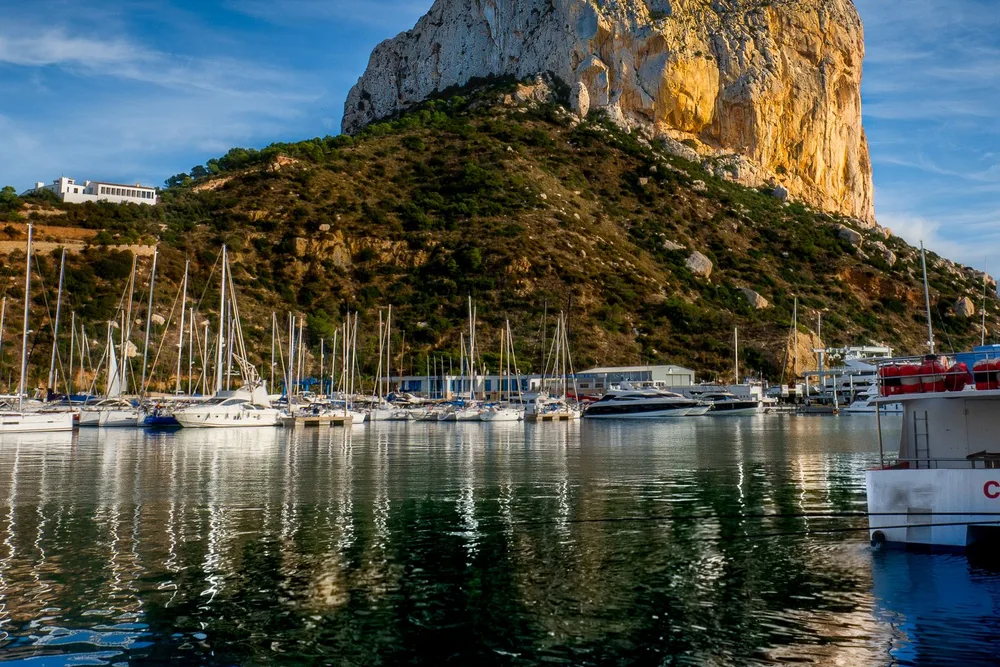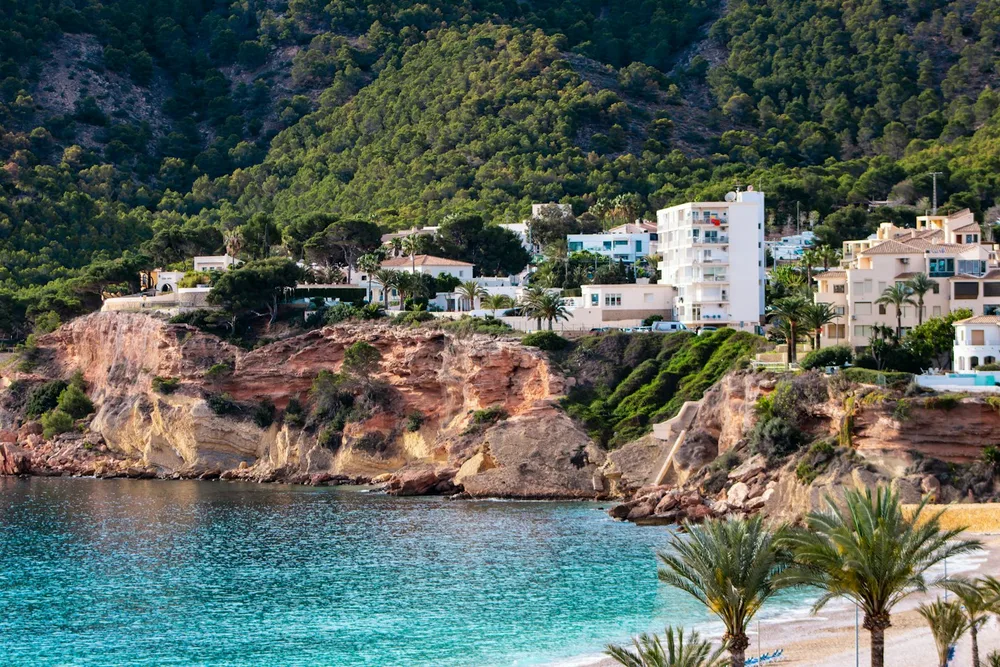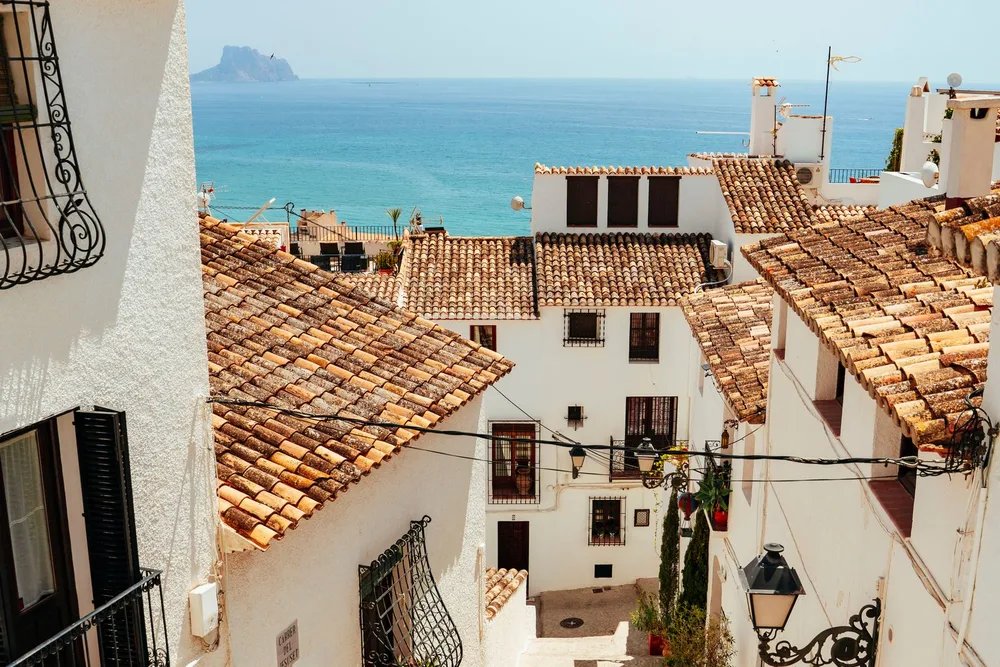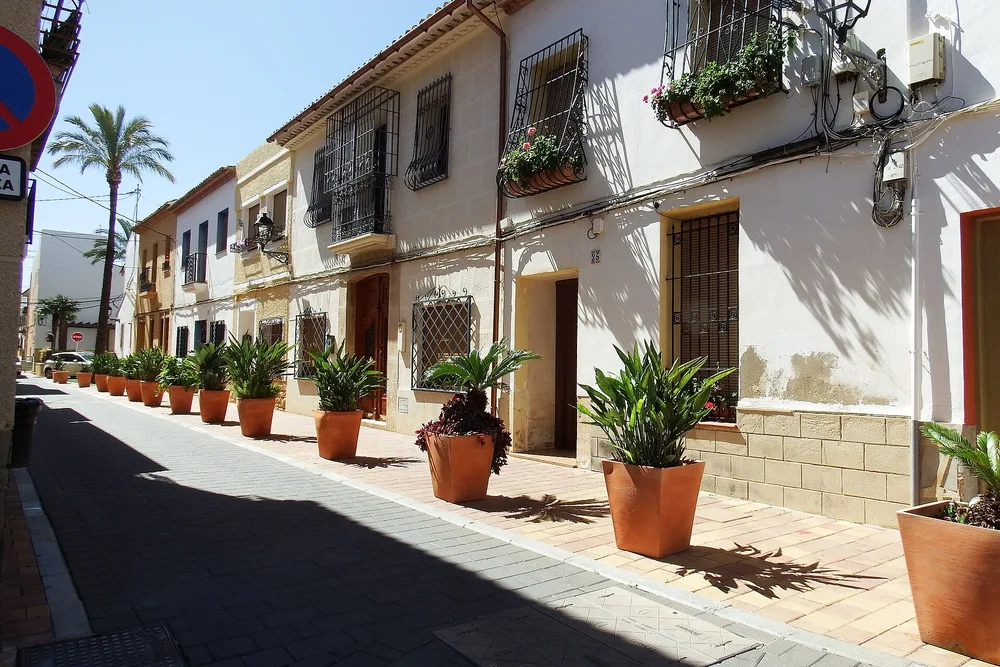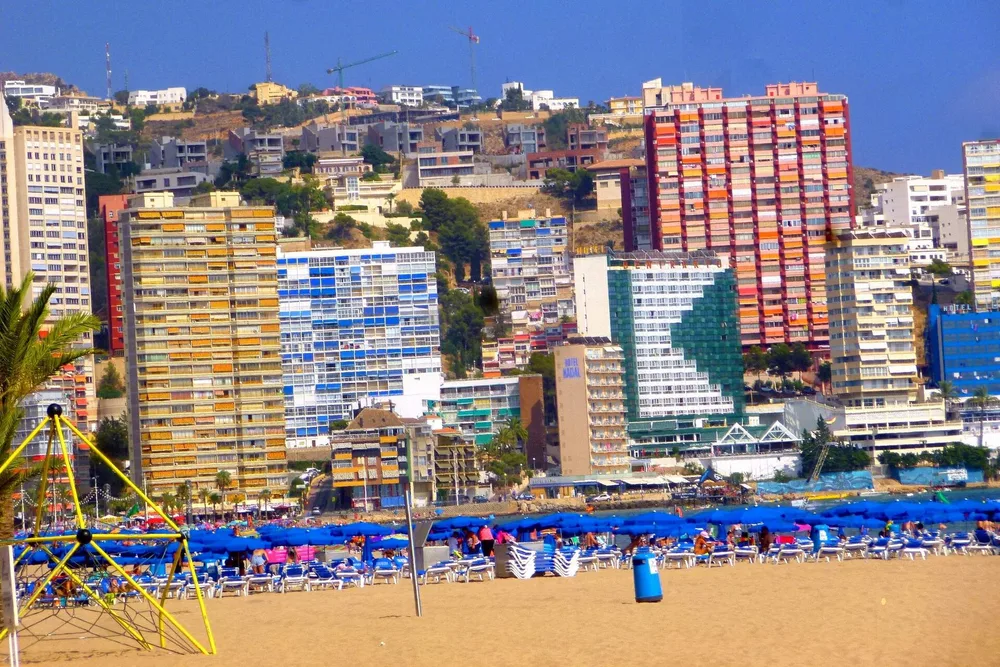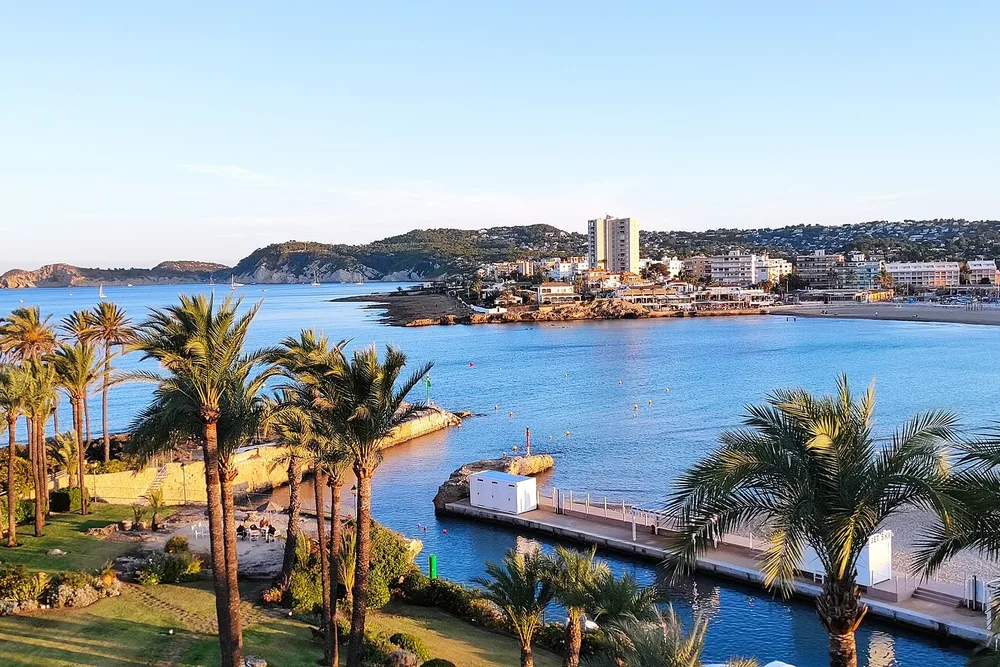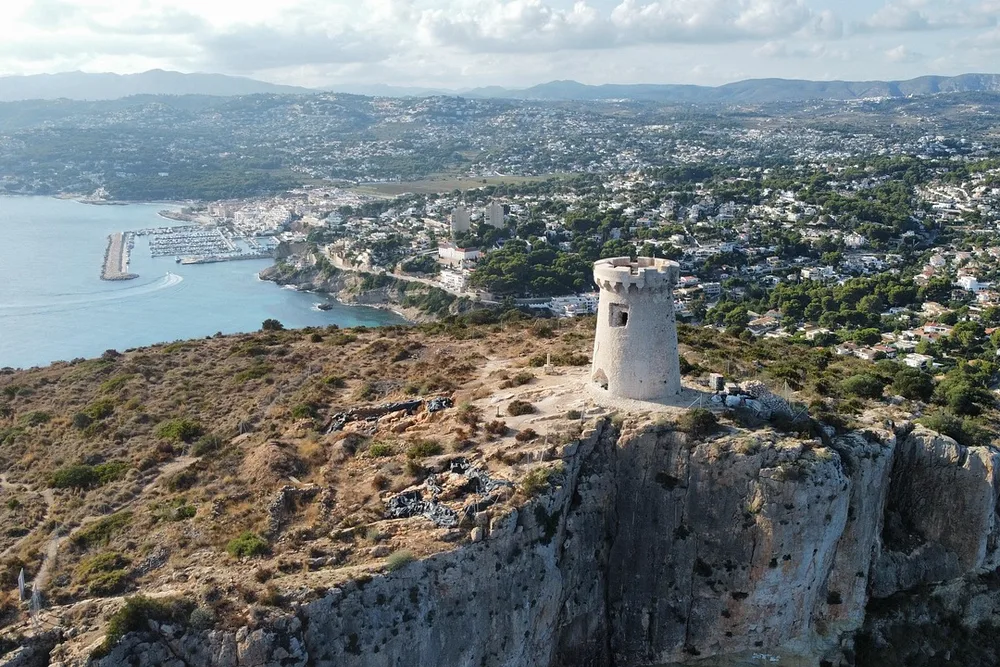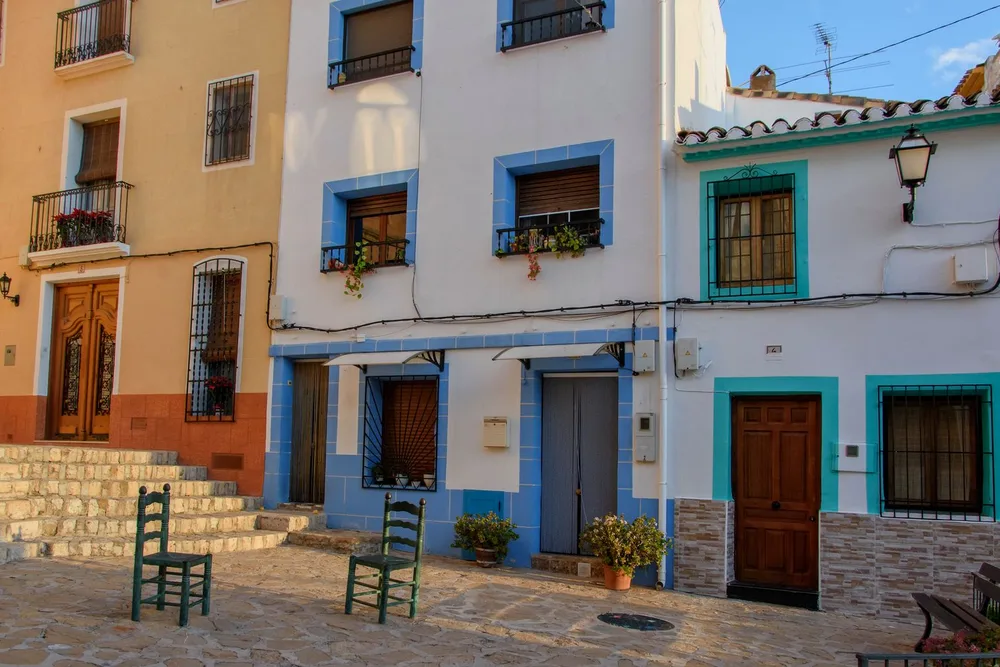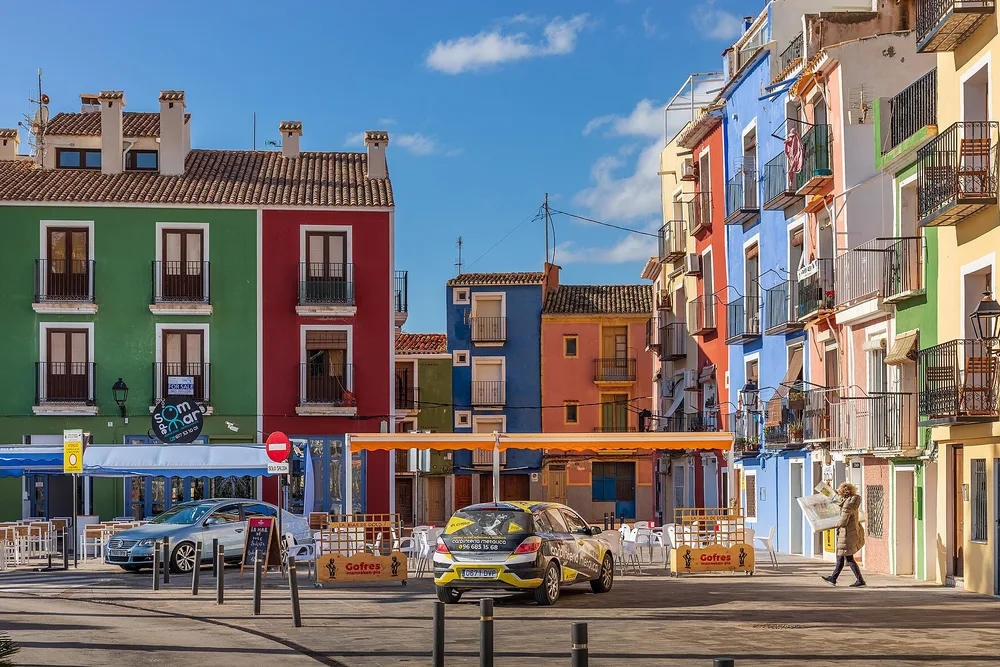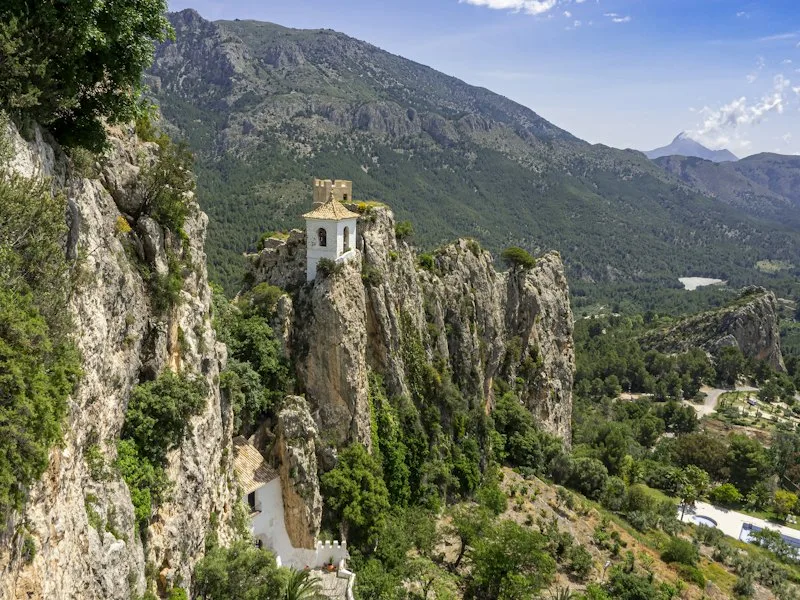
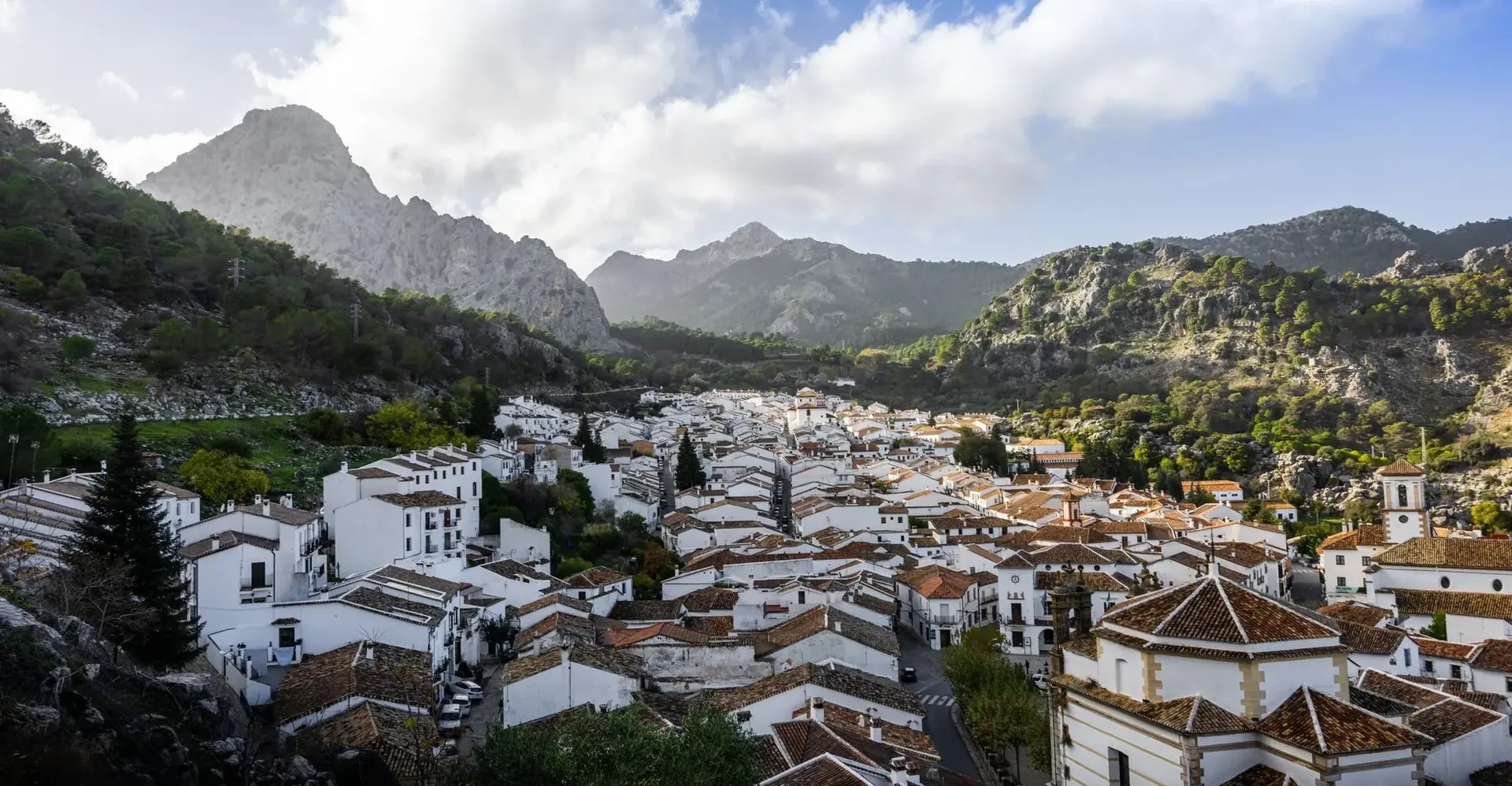
View of Polop in the inland part of the Marina Baixa, at the foot of the Ponoig

Costa Blanca North · Polop · Apartments

Apartments for Sale in Polop

Apartments at the foot of the Ponoig: the casco urbano (village centre) around the castle hill, the quiet, low-rise neighbourhoods of Xirles and La Alberca and the newer developments towards La Nucía — inland in the Marina Baixa, a short drive from the coast.

Prevalence

How prevalent are apartments in Polop?

Apartments in Polop form a smaller part of the market in this inland municipality, where individual houses make up much of the housing stock: summaries of the 2021 INE census indicate that 42.0% of buildings consist of a single dwelling, that the largest group of buildings dates from 2001–2010 and that 38.3% of dwellings are not primary residences — apartments are mainly found in the casco urbano, in the low-rise developments of Xirles and La Alberca and in the newer projects on the outskirts. The census figures do not give a separate share for apartments in Polop — the overview below is a market assessment, not an official statistical breakdown. When buying in Polop, choose the neighbourhood and property type first, then the apartment.

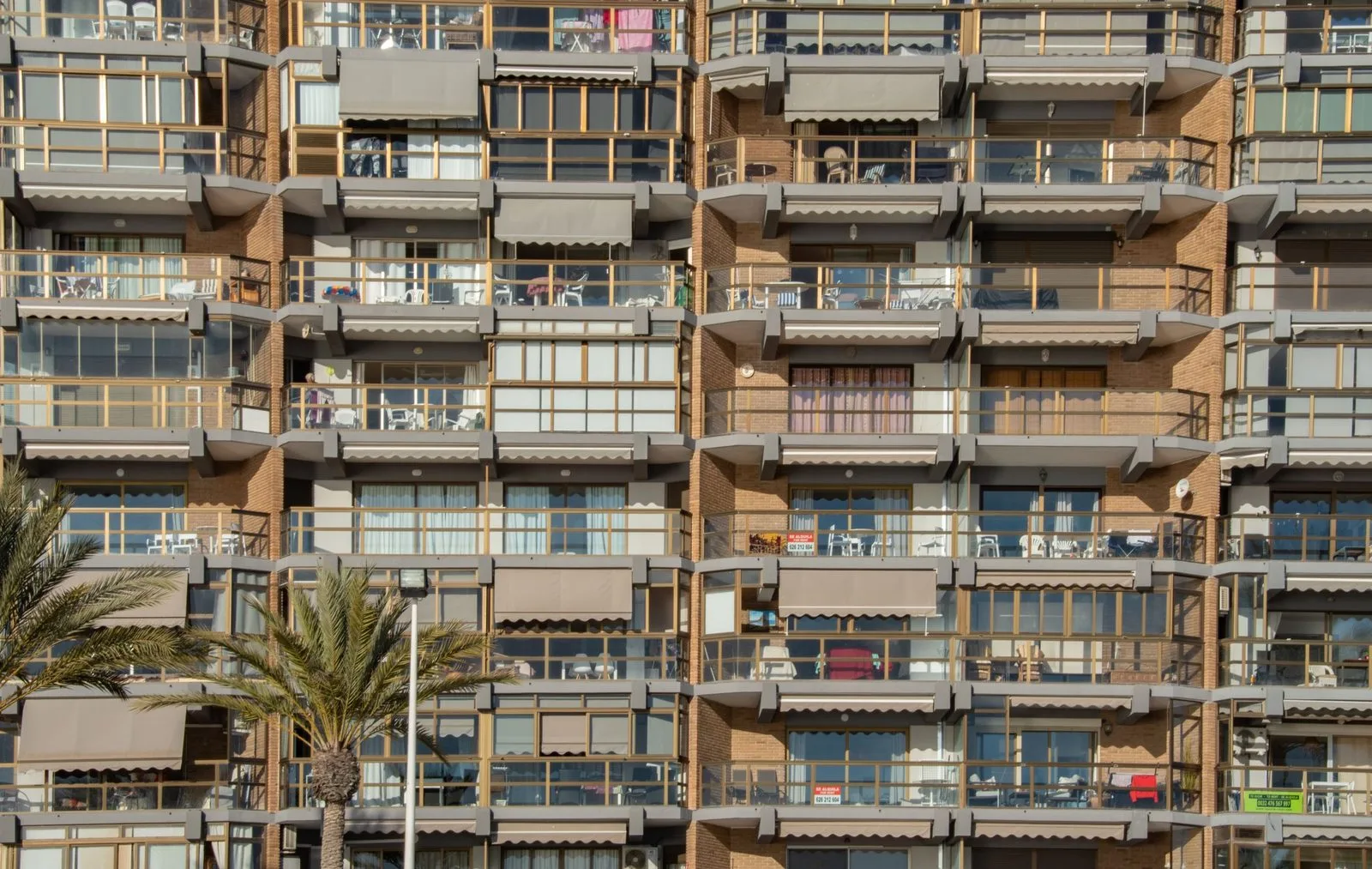
Modern apartment building in cream and white with balconies, seen from below

What a typical apartment in Polop is like

There is no single typical Polop apartment, but there are three distinct settings at the foot of the Ponoig. The village setting of the casco urbano: the older core around the castle hill, the square and the Fuente de los Chorros, alongside blocks built in the 2000s with a lift and parking — two- or three-bedroom units, including penthouses. The quieter setting of Xirles (Chirles): low-rise buildings against the hills, with compact two-bedroom homes of roughly 65–70 m², often without a lift, but with a terrace and a garage. And the residential developments of La Alberca and the outskirts: low-density schemes where terraces, gardens and pools are part of the appeal — and where some ground-floor homes and duplexes marketed as apartments may be registered as houses. Any gap between the advertised description and the registered property type should be checked at the start of every Polop search.

Where apartments in Polop are usually found

Casco urbano: castle, square and health centre within walking distanceXirles (Chirles): low-rise, two bedrooms, often without a liftLa Alberca & the outskirts: developments with pools, gardens and terracesThe Ponoig as a landmark — an inland setting, with the sea a drive away
Very active
Casco Urbano & the centre
The widest choice of flats within walking distance of amenities in Polop. Around the old centre, the castle hill and everyday village amenities, older blocks stand alongside those built in the 2000s: blocks with a lift and parking, usually offering two or three bedrooms, with penthouses at the top end of the range. The setting is inland, with amenities available year-round: a health centre on the Avenida Sagi Barba, shops and squares within walking distance, and views of the Ponoig instead of the sea. It is exactly that inland profile — village within walking distance, coast a drive away — that makes this area the core of the town’s apartment market.
This area calls for particularly careful document checks: ground-floor homes and duplexes marketed as apartments, enclosed terraces and discrepancies between the title deeds and the property itself are recurring issues — use the nota simple (Land Registry extract), cadastral records and floor plans to confirm the property type and floor area, and review the owners’ community budget, meeting minutes and reserve fund before making an offer.
Locations in this areaCasco UrbanoAround the castle hillAvenida Sagi Barba
Active
Xirles (Chirles)
Quiet, low-rise housing in the hills. Xirles (Chirles) sits inland against the foothills of the Ponoig, where the available homes are in low-rise blocks and small-scale schemes: compact two-bedroom homes of roughly 65–70 m², often without a lift, but usually with a terrace and a garage. The walking routes from the Barranco de Xirles start around the corner, and Polop’s village centre is a drive away — so a car is usually needed. Buyers here tend to seek quiet, space and mountain views rather than village amenities within walking distance.
In this area, lift access is the first thing to check: part of the stock has none, and the stairs from the garage to the front door should be checked at every viewing. A car is usually essential — drive your routes in January, not in July. The communal facilities in small developments also need checking: pools, gardens and lighting can mean different charges for two apparently similar units.
Locations in this areaXirlesChirlesBarranco de Xirles
Steady
La Alberca & the outskirts towards La Nucía
Low-density housing and newer developments on the outskirts. La Alberca has developments with terraces, gardens and pools — homes offering space and outdoor living, but where the registered property type can differ from the advertised description: some ground-floor homes and duplexes marketed as apartments are registered as houses. Along the outskirts towards La Nucía, newer developments require checks even on which municipality they are in: stock advertised under the name Polop can be located in the neighbouring municipality. Both areas have limited availability and need to be assessed development by development, rather than as a continuous supply.
In this area, planning checks are central to the purchase: zoning and sectors — Casco Antiguo, Xirles, L’Alberca and the PAUs — should be checked against the municipal planning framework, available in the Urbanismo section of polop.org (the 1988 PGOU with its consolidated text of January 2023). In low-density developments, community charges can be significant: the pool, gardens and driveways of a small scheme can cost more per unit than in a denser block.
Locations in this areaLa AlbercaThe La Nucía corridorNewer developments

Current supply

The current apartment supply in Polop

The supply in Polop falls into three categories, each with a market of its own. Older resale properties in the casco urbano form the largest category: blocks in and around the centre, some without a lift. Blocks built in the 2000s form a distinct subcategory — lift, parking, penthouses — whose condition and maintenance schedules differ block by block. Conventional apartment blocks make up only a small part of the visible new-build supply: the visible projects around the town — Polop Hills, Polop Hills Nature and Balcón de Ponoig at the foot of the Ponoig — are described in their own project material as detached-house and townhouse developments. The three categories appeal to different buyers: they differ in lifestyle, documentation and pricing.

Resale

The casco urbano & the older core

The most consistent source of supply in Polop: older blocks in and around the core, from flats without a lift to units with a lift and parking, typically with a terrace and village life within walking distance. The market is small and moves slowly: comparable units come onto the market sporadically and in small numbers, and the most attractive properties may be offered through residents before they are publicly listed. Anyone wanting to live in the village needs patience and a clear brief for their agent.

Renovated

A condition label, not a status

In Polop, “renovated” usually refers to the individual apartment: kitchen, bathroom, glazing, air-conditioning, terrace. It says nothing about the building — façade, roof, lift, structure — and nothing about legal status: a refurbished apartment is not new build and does not automatically come with new-build warranties and documentation. This is where the key Polop question arises: is what is offered as an apartment also an apartment in the title deeds, or a ground-floor home or duplex registered as a different property type? Renovation quality and planning status vary by unit; ask what was replaced or renovated, under which permits and whether the invoices and reports are available.

New build

Detached- and townhouse-led

The visible new build around Polop mainly consists of individual houses: the most visible developments — Polop Hills, Polop Hills Nature and Balcón de Ponoig at the foot of the Ponoig — are described in their own project material as detached-house and townhouse developments. For buyers of new-build apartments, the choice is narrower: the occasional small-scale scheme, each requiring separate checks on its phase, licence, municipality and property type. The limited choice of flats on new-build pages reflects the visible supply: individual projects may exist, but availability should be confirmed.

What “renovated” does and does not tell you in Polop
  1. The interior is not the building

    A new kitchen and new bathrooms answer none of the questions about the façade, roof, lift or structure — and in the valley’s cycle of damp and heat, these checks can separate a good purchase from an expensive one. Ask what was replaced or renovated inside the apartment and in the common parts, under which permits, and whether the invoices and reports are available.

  2. Property type & title

    The key Polop question belongs at the start of every document review: is the ground-floor home or duplex offered as an apartment also an apartment in the title deeds? In the low-density developments of La Alberca and on the outskirts, advertised descriptions sometimes differ from the title deeds. Have the nota simple, the purchase deed, cadastral records and the floor plans laid side by side — an advertised label does not determine a property’s tax or insurance treatment, and a mismatch can make comparisons per square metre misleading.

  3. Lift & accessibility

    Not every block in Polop has a lift: older buildings in the centre and Xirles can have narrow staircases, while blocks built in the 2000s generally have a lift and parking. For retirees, winter residents and buyers who expect step-free living, accessibility is the first thing to check at every viewing: the lift in operation, the stairs, whether the parking space is included in the title deeds, and the distance from parking space to front door in the rain.

  4. Low density & community charges

    In the schemes with a pool, gardens and driveways the owners’ community is part of the purchase: the facilities you enjoy also create costs throughout your ownership — and at low density those charges can be higher per unit than in a denser block. Request the budgets, meeting minutes and details of the reserve fund, and check why two apparently similar units may have different contributions.

  5. Renovated is not new build

    A refurbished resale unit does not carry the legal and technical status of new build: it does not automatically come with new-build warranties or licensing and handover documentation, and the building fabric is older. That is a factor to reflect in the price: assess a renovated apartment against its age and maintenance history, and compare it with the rare small-scale new developments — rather than with the brochure for a detached-house project.

Concentration

Where is the apartment supply in Polop concentrated?

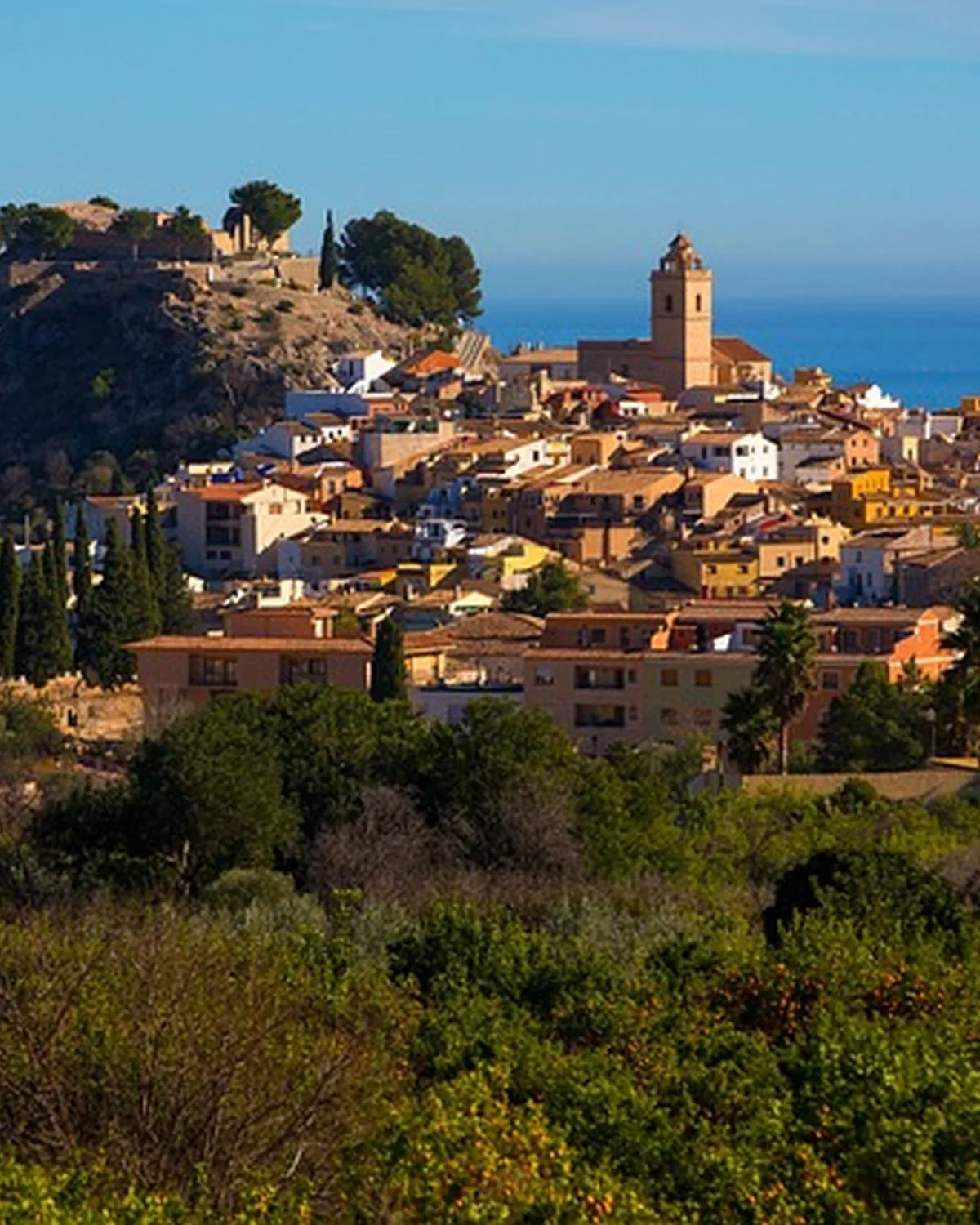
Polop is an inland municipality in the Marina Baixa, at the foot of the Ponoig — the official tourism material describes the old village with its castle, the Fuente de los Chorros and the walking routes towards the Barranco de Xirles and the Guadalest reservoir. The apartment search centres on five areas: the walkable casco urbano around the castle hill and the village amenities, the quiet, low-rise housing of Xirles (Chirles) against the hills, the schemes of La Alberca with a pool and garden, the newer developments along the corridor towards La Nucía, and — outside the map — the zones of Polop Hills and Balcón de Ponoig, where new-build housing mainly consists of individual houses. Each area has its own photo below — select a location in the list and the photo follows.

1. Casco Urbano & the castle hill2. Xirles (Chirles)3. La Alberca4. The outskirts towards La Nucía5. Polop Hills & Balcón de Ponoig

Year-round village centre · the broadest choiceVillage centre · castle · amenities

Casco Urbano & the castle hill

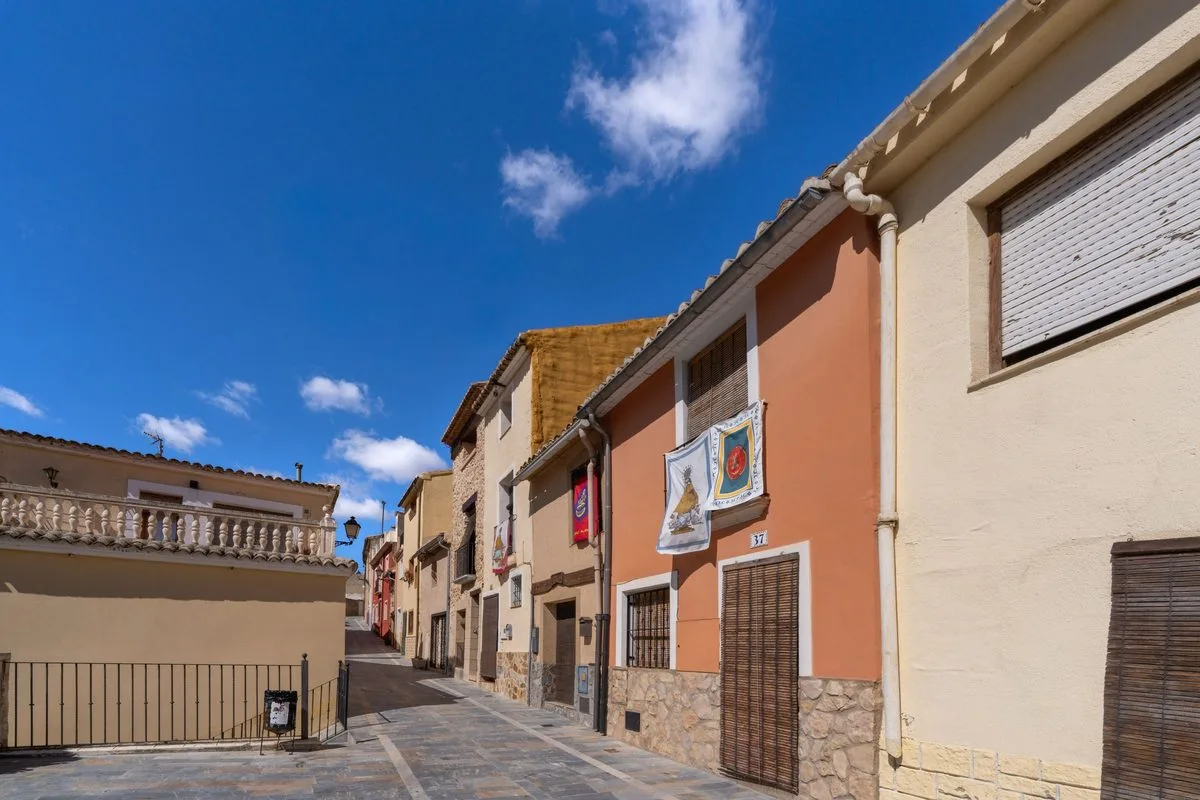
The walkable heart of Polop: blocks and flats around the old centre, the castle hill and everyday village amenities available year-round — a health centre on the Avenida Sagi Barba, shops and squares within walking distance, and the Fuente de los Chorros nearby. The stock ranges from older central blocks to those built in the 2000s with a lift, parking and penthouses at the top end. The views are of the Ponoig, not the sea: this is inland apartment living on the Costa Blanca, with the coast a short drive away — and exactly that difference in price and pace of life makes the core attractive to buyers who want the village and do not need the coast every day.

Typical supply

Two- and three-bedroom flats in established blocks with terraces, a mix of lift access and stairs only, penthouses at the top end, and renovated units with modern systems. Compare properties in the centre by building age, lift access, parking arrangements and the state of the common parts — blocks just two streets apart can be a generation apart in age and construction.

Trade-off

The village offers a quieter, inland pace of life: services, shops and the health centre run year-round, but the coast’s nightlife is a drive away. And properties in the centre call for careful document checks: ground-floor homes marketed as apartments, enclosed terraces that may differ from the title deeds, and the owners’ community records of older blocks — have property type, area and budget confirmed before making an offer.

Quiet low-rise housing · without a liftRural · against the hills

Xirles (Chirles)

The quiet corner of the municipality, inland against the foothills of the Ponoig: low blocks and small-scale schemes where the apartment is compact — two-bedroom homes of roughly 65–70 m², often without a lift — and where terraces provide outdoor space and garages provide parking. The walking routes from the Barranco de Xirles start around the corner, and the landscape is the main attraction, just as the beach is on the coast. The trade-off is transport: the village centre, the supermarket and the doctor are a drive away, and the buses on the Avanza network only partly meet that need.

Typical supply

Compact two-bedroom units in low blocks and small schemes, usually with a terrace and garage, some without a lift, ranging from unrenovated resale properties to renovated homes. Compare properties in the neighbourhood by lift access, parking included in the title deeds, aspect relative to the hillside and the condition of the outdoor space.

Trade-off

A car is usually essential here: drive the routes to the centre, supermarket and health centre in January before making an offer, and test the final leg on foot. And for units without a lift, the stairs from the garage to the front door should be checked at every viewing — the setting is quiet, but these homes are not step-free.

Low density · outdoor livingSchemes · pool & garden

La Alberca

The green edge of the village: low-density schemes with terraces, gardens and pools, set close to the mountains. These homes offer more outdoor space, but the registered property type is the first thing to check: La Alberca has some ground-floor homes and duplexes marketed as apartments but registered as houses — more space, their own entrance, direct garden access rather than access from a communal corridor. Compare property types first and prices second.

Typical supply

Two- and three-bedroom units in schemes with a pool, gardens and parking areas, with ground-floor homes and duplexes as a recognisable part of the stock and condition ranging from unrenovated to refurbished. Compare homes within the development by their registered property type, communal facilities and the aspect of the terrace and garden.

Trade-off

For every property in La Alberca, check the registered property type: what do the title deeds record — an apartment, or a house marketed as one? An unregistered layout can cause problems with the transfer of ownership, taxation and insurance. Low density can also mean higher community charges: the pool, gardens and driveways of a small scheme are paid for through the annual budget or special levies — read the annual accounts before making an offer.

Newer developments · document checksCorridor · newer developments · the municipal boundary

The outskirts towards La Nucía

The corridor between Polop and La Nucía, where newer developments are located: projects advertised under the name Polop where the municipality, development phase and registered property type all need checking. Local services are split across two municipalities — Polop’s health centre on the Avenida Sagi Barba and the evening and weekend care at the La Nucía health centre (consultorio). For the buyer this is the area where the documentation matters more than the advertised location: the same name can cover two municipalities and two planning frameworks.
Typical supply

Newer developments built in phases, from small residential schemes to larger projects, with units ranging from entry-level to higher specifications and availability changing with each phase. Compare developments by licence and phase, municipality and cadastral reference, and registered property type — not on the name under which the project is advertised.

Trade-off

Confirm for every unit the municipality on the deed and the cadastral reference — stock “in Polop” can be located in La Nucía, with a different planning framework and different charges. And check zoning and planning status against the municipal planning framework: the 1988 PGOU with its consolidated text of January 2023, available in the Urbanismo section of polop.org, helps determine what may be built around your development.

Individual houses · outside the mapPolop Hills · Polop Hills Nature · Balcón de Ponoig

Polop Hills & Balcón de Ponoig

The slopes at the foot of the Ponoig are an area dominated by detached houses: the most visible new-build developments — Polop Hills, Polop Hills Nature and Balcón de Ponoig — are described in their own project material as individual-house and townhouse developments. They still appear in apartment searches: because they appeal to some of the same buyers, include different property types in search filters, and have names used by portals across categories. In these developments, flats are the exception, not the rule.

Typical supply

A handful of units per development rather than a broad apartment market: occasional apartments among townhouses and detached homes, and some properties advertised as apartments but registered as a different property type. Searches here tend to use the development’s name — and every unit carries the question of what the title deeds actually record.

Trade-off

If your search lands here, check the registered property type before you compare on price — a house marketed as an apartment is a different product with different costs and different rules. And hillside properties need careful planning checks: the zoning and sector status of the hillside zones should be checked before making an offer, using the Urbanismo section of polop.org.

Market data

Polop Property Market Data

Price variation

How apartment prices vary in Polop

In Polop, prices depend on the property type and development: the district alone matters less than the registered property type, lift access, parking, the condition of the building fabric, communal facilities such as a pool and garden, and distance to the village centre. A flat in the core and a unit in a low-density scheme towards La Nucía are two different products with different pricing factors — and in newer developments the municipal boundary can count for more than the name in the advert. The bands below are an indicative guide to these differences, not a price list.

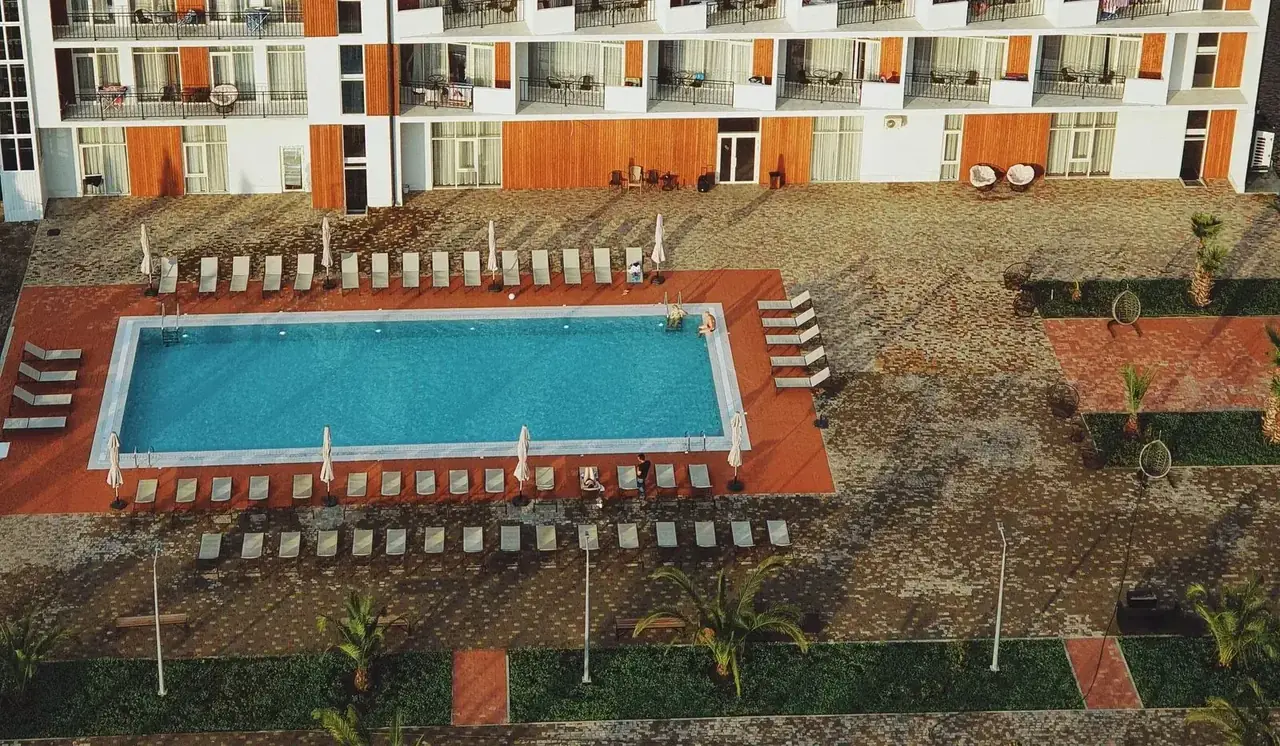
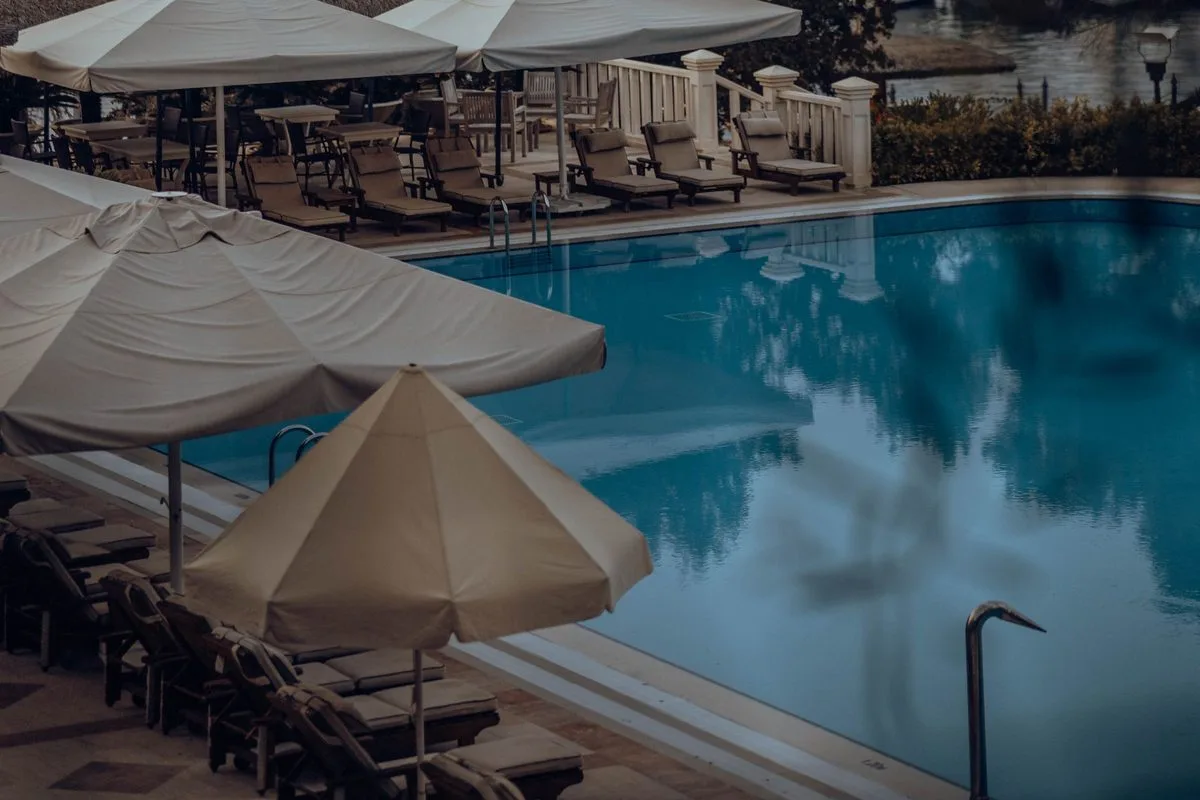
Large communal pool with palm trees in front of an apartment complex

Explore a price band

01/ 04

Band 01Polop

Up to ±€175,000

Band 02Polop

±€175,000–300,000

Band 03Polop

±€300,000–450,000

Band 04Polop

€450,000 and up

What drives the price per square metre in Polop

Two apartments with the same asking price per m² can be two different products. Seven factors determine where a unit sits within its price band — and the band itself sets the base level: compact entry-level homes in the centre and hills, mid-range flats in established blocks, and higher-priced developments with pools and gardens, alongside penthouses.

Apartment building façades on the Costa Blanca

Budget levels

Which apartment does each budget buy in Polop?

The bands below are a guide, not a price list: they follow the categories buyers actually choose between, based on size, condition and property type. The entry-level market consists of compact units in Xirles and the most affordable older properties in the centre, the mid-range market centres on blocks built in the 2000s within walking distance of village life, and above it come the schemes with a pool and garden and penthouses at the top end of the village-centre market.

Up to ±€175,000

Entry-level homes in the centre and hills

The entry-level market centres on compact homes: two-bedroom units in Xirles (Chirles) — often without a lift, with a terrace and garage — and the most affordable older resale properties in the centre, alongside occasional units in small schemes. These homes offer quiet, mountain views and inland prices, but not always village amenities within walking distance: expect to need a car for daily errands, check the stairs at every viewing of a unit without a lift, and check the registered property type, floor area and owners’ community records before making an offer — this category includes ground-floor homes marketed as apartments, where the title deeds may differ from what you see.

±€175,000–300,000

Apartment blocks in the casco urbano

The heart of Polop: blocks built in the 2000s with a lift, parking and a balcony or terrace, within walking distance of the castle hill, the shops and the health centre, next to renovated units with modern systems. Much of the town’s apartment choice falls within this band: the same mid-range budget can buy a village flat with year-round life within walking distance or a quieter unit in a small scheme with a pool but requiring a drive to amenities. Compare properties by their age and construction — lift, parking arrangements, glazed terraces and the state of the common parts weigh more here than a difference of a few square metres.

±€300,000 and up

Schemes, outdoor living & penthouses

The upper end of the valley’s market: the low-density developments of La Alberca and newer developments along the corridor, with a pool, gardens and parking areas, larger homes and higher-specification units, and penthouses at the top end of the village-centre market. These purchases include shared facilities and responsibilities: pool, gardens and common parts create ongoing charges and require decisions by the owners’ community, and the property-type question — a registered apartment, or a house marketed as one — should be answered before the price comparison. Check terrace areas against the title deeds and cadastral records, and check the development’s planning status in the municipal planning register.

Search assistance

Finding the right apartment in Polop

We shortlist from properties available in Polop — with clear assessments of each building and development: the registered property type, the community finances, lift access and stairs, whether tourist letting is permitted, and the condition of the terrace and building fabric.

Evening light over the village and hills of Polop

Checks

Polop-specific apartment checks

Every apartment market has its own checks. In Polop, four factors need particular attention in this inland setting: the registered property type, the tourist-use rules of the Valencian region and the two municipalities along the corridor, the planning framework and sector status of the slopes and the outskirts, and the costs and transport needs associated with low-density housing. The six checks below cover these factors in Polop.

Community, statutes & fees

  • Read the constitutive title, the statutes and the house rules for rules on short stays, pets, noise, pool opening hours, parking, and who is responsible for terraces, frames, façades, gardens and roofs. In the low-density schemes of La Alberca and the outskirts, these rules determine whether your intended use — living there, letting or altering a garden — is permitted.
  • Request the recent minutes, annual accounts, budget, debt-free certificate, insurance policies and any announced special levy — and ask specifically about the pool, gardens, driveways, lighting, lift and roof: at low density these costs can put pressure on an apparently adequate community budget, because the shared area is large and the number of units small.
  • Check the voting rules for tourist letting: under articles 7(3) and 17(12) of the Horizontal Property Law, express approval, restrictions, conditions or a prohibition of tourist use in the cases covered require a three-fifths majority of all owners, also representing three-fifths of the ownership shares. These decisions have no retroactive effect — ask a Spanish lawyer to assess any transitional arrangements.

Narrowing the search

How to narrow your apartment search in Polop

Searching in Polop involves a series of trade-offs: every neighbourhood, development and property offers benefits in exchange for compromises. The seven choices below help determine where to focus your search — and one of the most important concerns the registered property type: what is called an “apartment” is not always registered as an apartment. Weigh them consciously and you can reduce your shortlist to a handful of addresses.

Village or residential development

Village or residential development

The first choice is not “which flat” but “which way of life”: the casco urbano offers the castle hill, the shops and the health centre within walking distance — with village life on your doorstep; the developments of La Alberca and the outskirts offer pools, gardens and space — with a drive for every practical errand. These settings offer different things: choose the lifestyle first, then the building.

Inland living or life by the coast

Inland living or life by the coast

Polop offers an inland setting: mountain views, a year-round village and entry-level prices below those on the coast — in exchange for a drive to the beach and the promenade. A coastal town like Altea or Calpe offers life by the beach — usually with higher prices and more seasonal bustle. Both are valid choices; do not mix them in one shortlist before you know whether you want to spend your budget on mountain views or the seafront.

With a lift or without

With a lift or without

Blocks built in the 2000s generally have a lift and parking; older buildings in the centre and Xirles may have narrow staircases. For retirees, winter residents and buyers who expect step-free living, this can determine the shortlist: a unit without a lift may cost less, but comes with stairs you walk every day — in the rain, with shopping, as the years pass.

Advertised description or registered property type

Advertised description or registered property type

In La Alberca and on the outskirts, some ground-floor homes and duplexes are marketed as apartments but registered as houses — more space, their own entrance, sometimes a garden door. The label widens the advert’s audience; the title deeds confirm what you are buying and may affect the transfer of ownership, taxation and insurance. Compare property types first and prices second — a house marketed as an apartment should not be compared directly with a flat.

Without a car or with a car

Without a car or with a car

In the casco urbano it works: village, shops and services within walking distance. Outside the core the car sets the daily rhythm, and the Avanza/Alicante bus network — towards La Nucía, Benidorm, Callosa and Guadalest — provides only a partial alternative. Being honest about your mobility prevents the most expensive mistake: a scheme unit where every errand becomes a drive you stop enjoying in January.

Own use or tourist letting

Own use or tourist letting

Short-term letting in the Valencian region is subject to Decreto-ley 9/2024: registration with a favourable municipal planning compatibility report, generally valid for five years, the registration number in adverts — and any required express approval from the owners’ community. In Polop the platform stock is small: the Observatorio counted 68 dwellings with 411 bed spaces in May 2026, roughly 2.00% of the stock — context, not a guarantee for an individual property. Decide first which part of the year you live there yourself; the rental calculation follows.

Searching by name or by title

Searching by name or by title

In Polop an advertised location can cover properties in two municipalities with different characteristics: stock “in Polop” can be located in La Nucía along the corridor, and a scheme name can cover different registered property types. So search by cadastral reference and exact address — using the title deeds, floor plans and planning documents to confirm the property’s status — not by a portal’s name or property type filter.

A good fitSecond home

Couples seeking a lock-and-leave home with village life nearby

Couples, retirees and second-home buyers looking for a manageable base can find it in Polop: a flat in the casco urbano or a unit in a well-run scheme where the pool is cleaned, the gardens are maintained communally and you can lock up and leave. The village is active year-round — shops, health centre, squares — and the coast is a short drive away whenever you want to visit. Choose the unit for its lift access, parking and winter maintenance arrangements, and it can work as a base all year.

Village within walking distanceNo private garden to maintainThe coast a drive away
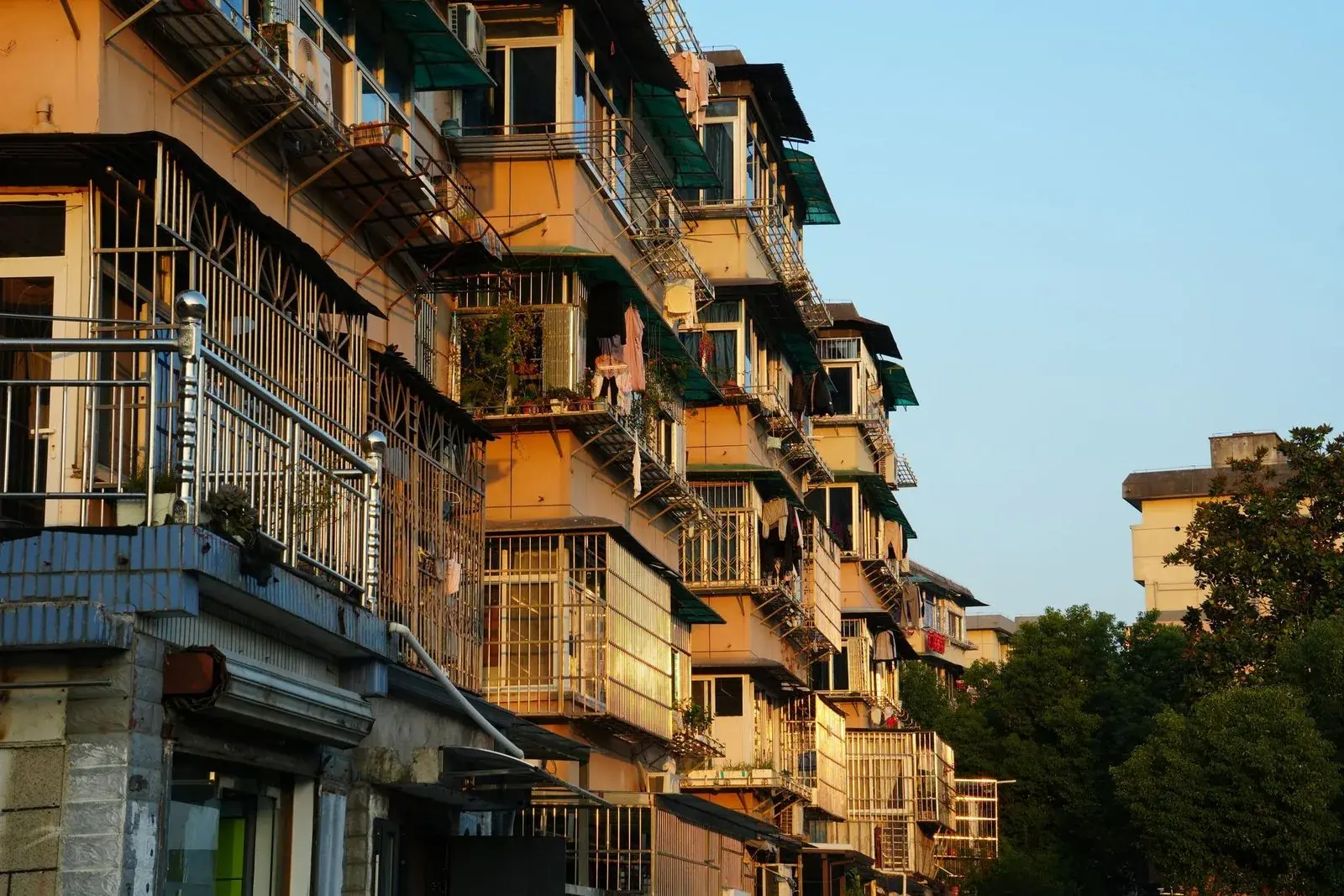
Apartment building in warm evening light
A development with a pool on the edge of Polop — an inland lock-and-leave home
Polop in winter
Test the apartment in winter, not only in August
  • Where does the afternoon sun fall on your terrace in January? The aspect relative to the valley and mountains differs street by street and floor by floor: come back at midday in winter and see how much sun the terrace and living room actually get — a south-facing terrace at the village edge gets different light from a unit between blocks in the centre, and the low winter sun reaches different areas from the summer sun.
  • How does the building fabric hold up against the winter rains? Autumn rain and damp winter nights in the inland valley can affect façades, frames, metalwork and terrace edges — check for damp marks at glazing and shutters, the terrace’s waterproofing and the state of the metalwork. Here, prolonged autumn rain is an important test of the building’s condition.
  • How effective are the apartment’s heating and cooling systems? The valley has cooler winter nights than the coast: ask about the apartment’s heating and the systems typically used in the building, the hot-water system and the energy performance certificate, and test the heating in January rather than relying on specifications. In older central buildings, ageing systems can use more energy in winter than a summer visit suggests.
  • Does the pool keep running through winter? Ask about filtration and dosing in the colder months and who pays for it — inadequate winter maintenance can lead to extra community costs in spring. For the schemes of La Alberca and the outskirts the same goes for gardens, driveways and lighting: shared facilities need a winter maintenance plan too.
  • Drive your routes in January: to the supermarket and the medical services available then, and check the buses against the real timetable — according to official transport information, public transport uses the Avanza/Alicante bus network towards La Nucía, Benidorm, Callosa and Guadalest, with no railway. Also test the final leg to your front door, with luggage or with mobility needs.
  • Are the garage and storeroom dry after the autumn rains? In the valley water finds its own way — check the parking level, ramp and storeroom for damp and puddles after a real rainy spell, and for low or hillside positions have the drainage and the surface-water runoff checked. Ground-floor homes and low-lying areas are affected first.
  • How active is your part of Polop in February? The centre is active year-round — shops, services, the health centre — but the schemes are quieter in winter: which neighbours stay, who maintains the building and the pool when the seasonal owners are away, and which shops in your street open their doors in January? These details help determine whether the location suits seasonal visits or year-round living.

Frequently asked questions

Questions about buying an apartment in Polop

Are apartments common in Polop?
They form a smaller part of the local market. Summaries of the 2021 INE census indicate that 42.0% of buildings in Polop consist of a single dwelling, that the largest group of buildings dates from 2001–2010 and that 38.3% of dwellings are not primary residences; apartments are mainly found in the casco urbano, in Xirles and La Alberca and in newer developments on the outskirts. These census figures do not give a separate share for apartments — percentages based on portal listings describe advertised supply rather than the entire housing stock.
Which parts of Polop are the most walkable?
Start with the casco urbano around the castle hill: shops, squares, the health centre on the Avenida Sagi Barba and the old centre with the Fuente de los Chorros within walking distance. Outside the core a car is usually needed — Xirles, La Alberca and developments along the corridor generally require driving — and the Avanza/Alicante bus network provides only a partial alternative.

What price range should I expect?
As an indicative guide, allow up to approximately €175,000 for entry-level homes in Xirles and the older core, approximately €175,000–300,000 for blocks built in the 2000s with a lift in the casco urbano, approximately €300,000–450,000 for homes in developments in La Alberca and the outskirts and €450,000 and above for the top end of the market, including penthouses and distinctive hillside properties — a guide, not a price list.
Are there many new-build apartments in Polop?
The municipality’s visible new build mainly consists of individual houses: the schemes that shape the market — Polop Hills, Polop Hills Nature and Balcón de Ponoig at the foot of the Ponoig — are described in their own project material as detached-house and townhouse developments. Buyers of new-build apartments face a limited choice — confirm each project directly, because municipality, phase and property type differ per scheme.
Can I let my apartment to tourists?
Only if the applicable requirements are met under Decreto-ley 9/2024: the whole home is let — not individual rooms — to the same tenant for no more than ten consecutive days, with a favourable municipal planning compatibility report and a regional registration generally valid for five years. Advertising must show the registration number, and any required express approval from the owners’ community must also be in place.
Is a tourist registration transferred automatically on purchase?
No. The 2024 rules require a new declaration and supporting documentation when ownership changes. Check the registration, the cadastral reference, the renewal date, the compatibility report and any required community approval before you put rental income into your purchase calculations. Also check the national registration and annual reporting requirements under Order VAU/1560/2025 separately from the regional GVA registration.
Is an apartment in Polop suitable for year-round living?
Often — if it is close to the centre and has reliable heating and cooling, a parking solution and a well-run community. The village has year-round services: a health centre on the Avenida Sagi Barba, shops and services within walking distance, and evening and weekend care via the La Nucía health centre (consultorio). The valley has cooler winter nights than the coast — test the system in January, not in July.
What ongoing costs should I ask about?
Ask for the community fee, pool, garden and lift charges, insurance, utilities, IBI, waste charges, maintenance and any planned special levies. No reliable Polop-wide average community fee for apartments exists — use the building’s or scheme’s own accounts and budgets rather than a generic estimate.
Why are some homes advertised as apartments but registered differently?
An apartment label can broaden an advert’s audience: in La Alberca and on the outskirts, some ground-floor homes and duplexes with garden access or their own entrance may be registered as houses. The title deeds confirm the property type, which may affect the transfer of ownership, taxation and insurance — have the nota simple, the purchase deed, cadastral records and the floor plans confirm the property type before you compare on price. A house marketed as an apartment should not be compared directly with a flat.
How reliable is “in Polop” in an advert?
Treat the advertised location as a starting point and confirm it in the title deeds. Stock along the corridor towards La Nucía can be located in the neighbouring municipality — with a different planning framework and different charges. Confirm the municipality on the deed and the cadastral reference, and test zoning and sector status against the planning framework: the 1988 PGOU with its consolidated text of January 2023, available in the Urbanismo section of polop.org.

On the map

Apartments for sale in Polop on the map

Polop lies in the province of Alicante, at the foot of the Sierra Ponoig, a short distance from the Costa Blanca coast.

Browse by Property types

Other property types in Polop, Spain

Compare apartments with the alternatives in the same municipality — each with its own trade-offs.

Browse by location

Where to Buy Apartment in Spain in other locations?

Polop lies inland in the Marina Baixa: via the La Nucía corridor, La Nucía, Altea and L’Alfàs del Pi are a short drive away, with Benidorm, Finestrat and Villajoyosa further to the south-west; over the hills to the north-east lie Benitachell, Moraira, Jávea and Dénia, and behind and beyond the coastal hills lie Benissa and Calpe. Each place has its own apartment market, its own prices and its own rules — compare them as markets, not as streets.

View of Dénia with Montgó and the seaCoast · north-east below the Montgó

Apartments in Dénia

The coastal town to the north-east, beyond Jávea: Dénia has apartments along the beaches of Les Marines, the centre with its castle hill and the port, a year-round town with a strong food culture rather than a purely seasonal resort.

Coastal landscape of Benitachell with sea viewsCoast · north-east above the cliffs

Apartments in Benitachell

To the north-east, above the sea cliffs between Moraira and Jávea: Benitachell has much of its apartment supply in Cumbre del Sol, a resort urbanisation with sea views and services within the development.

Historic centre of inland BenissaInland · behind the coastal hills

Apartments in Benissa

Just behind the coastal hills of the Marina Alta, to the north-east of Polop: Benissa has a compact historic centre, with apartments at a generally lower price level than the coastal corridors.

The bay of Calpe with the Peñón de IfacCoast · north-east towards the Peñón

Apartments in Calpe

Behind the hills, towards the coast to the north-east: Calpe has apartments around two urban beaches, the old town and the port, with the Peñón de Ifac as a landmark and one of the densest promenade corridors on the Costa Blanca.

Coastal view of Albir in L’Alfàs del PiCoast · via the La Nucía corridor towards Albir

Apartments in L’Alfàs del Pi

From Polop via La Nucía and Altea towards the coast: L’Alfàs del Pi combines its hillside town centre with Albir on the bay, where apartments and low-rise complexes make up much of the supply beneath the Sierra Gelada.

Whitewashed old town of Altea on the coastCoast · via the La Nucía corridor

Apartments in Altea

The whitewashed town on the hill, a short drive via La Nucía: Altea offers apartments from the hilltop old town to Altea Hills, with a character shaped by art and gastronomy and prices influenced by views and elevation.

View of La Nucía on the high ground above the Marina Baixa coastInland · the direct neighbour on the high ground

Apartments in La Nucía

The direct neighbour on the high ground above the coast — and the corridor’s other municipality: La Nucía offers year-round village life with its market and services, the urbanisation complexes with pools and the new-build clusters around the City of Sport. Properties advertised as “in Polop” can be located within La Nucía — the title deeds confirm the location.

Skyline of Benidorm and its two baysCoast · south-west beyond La Nucía

Apartments in Benidorm

The coast’s largest market, south-west beyond La Nucía: Benidorm has one of the Costa Blanca’s densest concentrations of high-rise buildings, with apartments at every price point around two bays and a busy year-round atmosphere — a very different setting from Polop’s inland apartment market.

Coastal view of Jávea on the Costa BlancaCoast · to the north-east, above the bay

Apartments in Jávea

The bay to the north-east, beyond Benitachell: Jávea has apartments in five main areas — Arenal, the centre, the Montañar, the port and Cala Blanca — with beach, harbour and the backdrop of the Montgó in one municipality.

View of Moraira and its bay on the Costa BlancaCoast · north-east, the bay of Teulada

Apartments in Moraira

The coastal bay to the north-east: Moraira has apartment supply concentrated around the walkable Casco Urbano, the beach belt and the complexes of Paichi and Villotel — a scarce, concentrated market in a bay with mainly low-rise development, at a price level above inland Polop.

View of Finestrat with the Puig CampanaCoast · south-west beyond Benidorm

Apartments in Finestrat

South-west, beyond Benidorm: Finestrat is divided between the historic village at the foot of the Puig Campana and the coastal pocket at La Cala — with the resort corridors of Balcón, Terra Marina and Golf Bahía/Sierra Cortina as the main areas of apartment supply.

Coloured façades of Villajoyosa along the harbourCoast · south-west along the bay

Apartments in Villajoyosa

South-west, beyond Benidorm: Villajoyosa pairs the coloured façades along its harbour with apartments between town and beach, plus a year-round centre with its own industries and identity — a coastal town that has more to offer than seasonal tourism.

Area guide

Explore Polop with our guide

The Polop guide runs from the castle hill and the year-round centre to the surrounding neighbourhoods: the Fuente de los Chorros near the centre, the quiet, low-rise housing of Xirles (Chirles) with its ravines, the schemes of La Alberca and the corridor towards La Nucía — with the walking routes towards the Guadalest reservoir and the foothills of the Ponoig as the backdrop. Neighbourhoods, transport and year-round life in each part of the municipality, in one guide.

View of Polop and its castle hill

Contact Altea Casas

Looking for a property on the Costa Blanca? Tell us what you’re looking for, and our team will get back to you shortly.

Send Us a Message

Data protection information under the General Data Protection Regulation (EU) 2016/679 (GDPR) — read more.