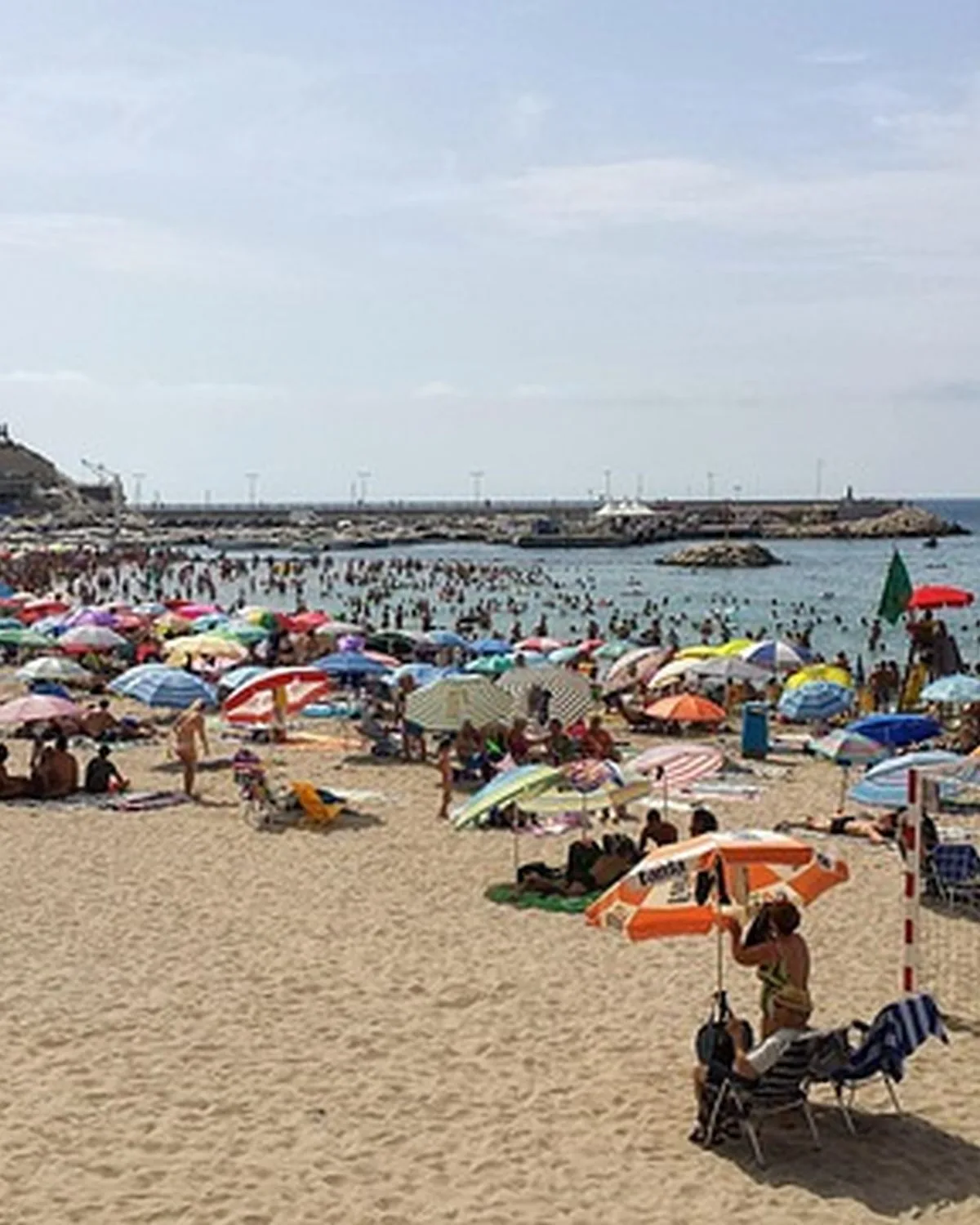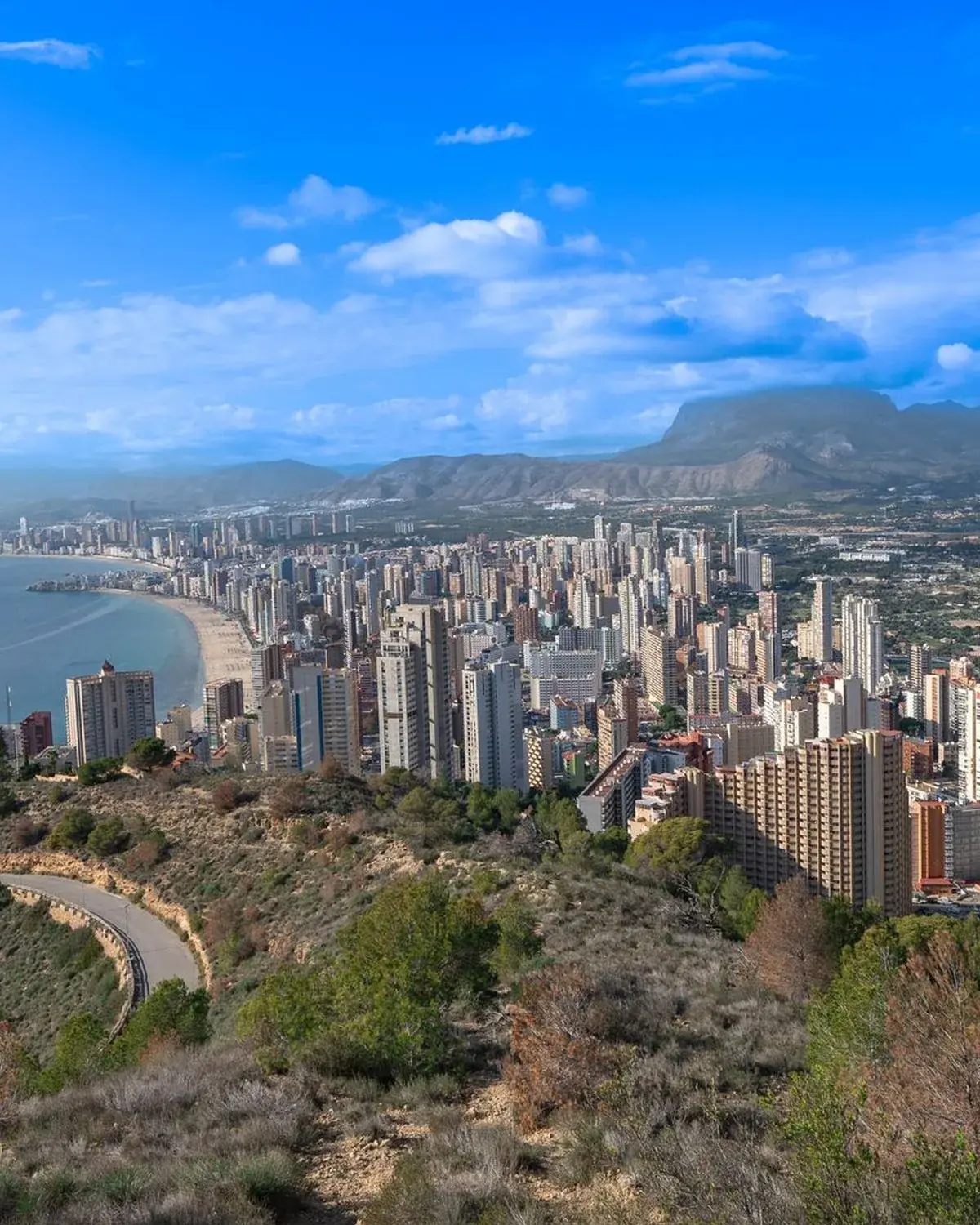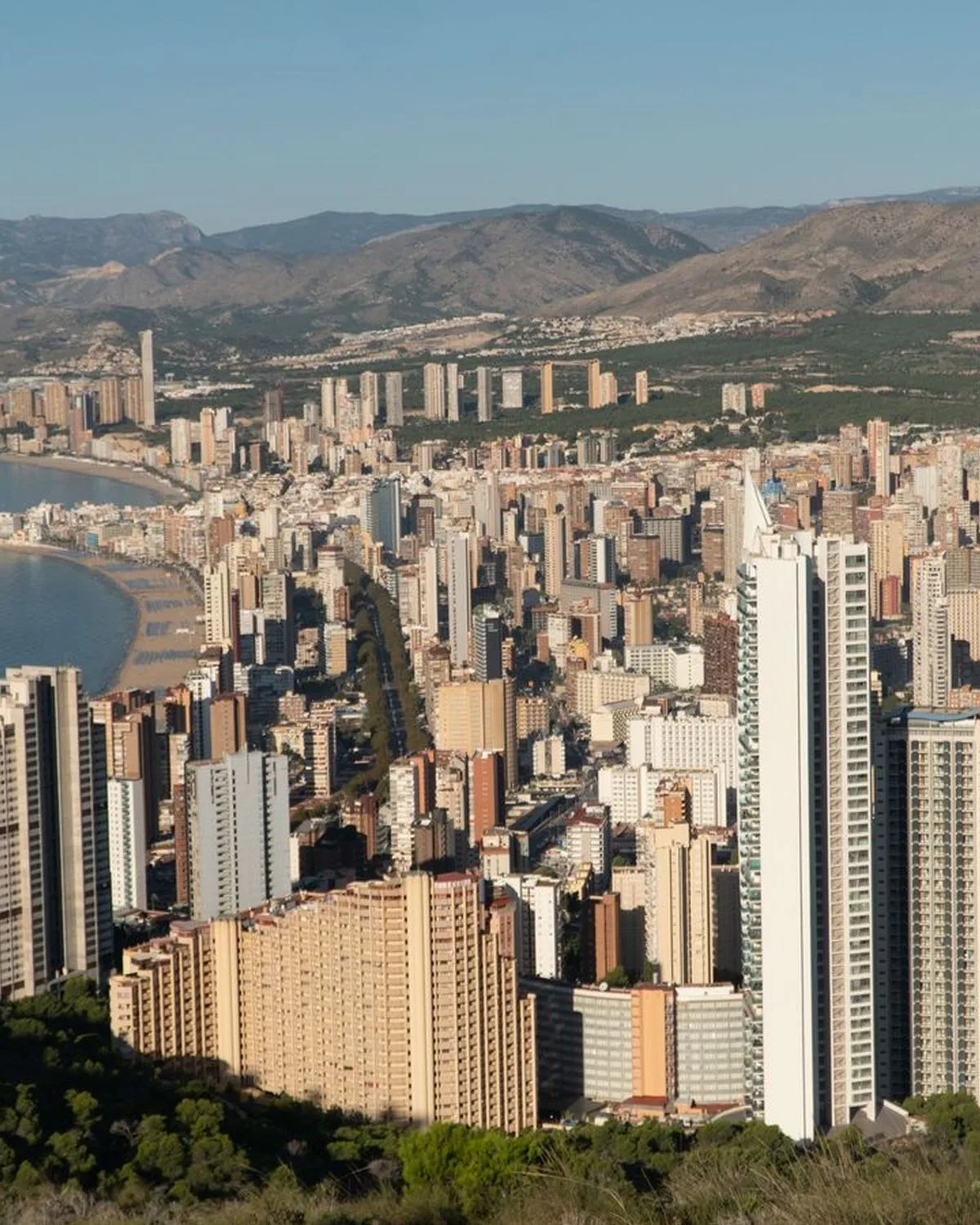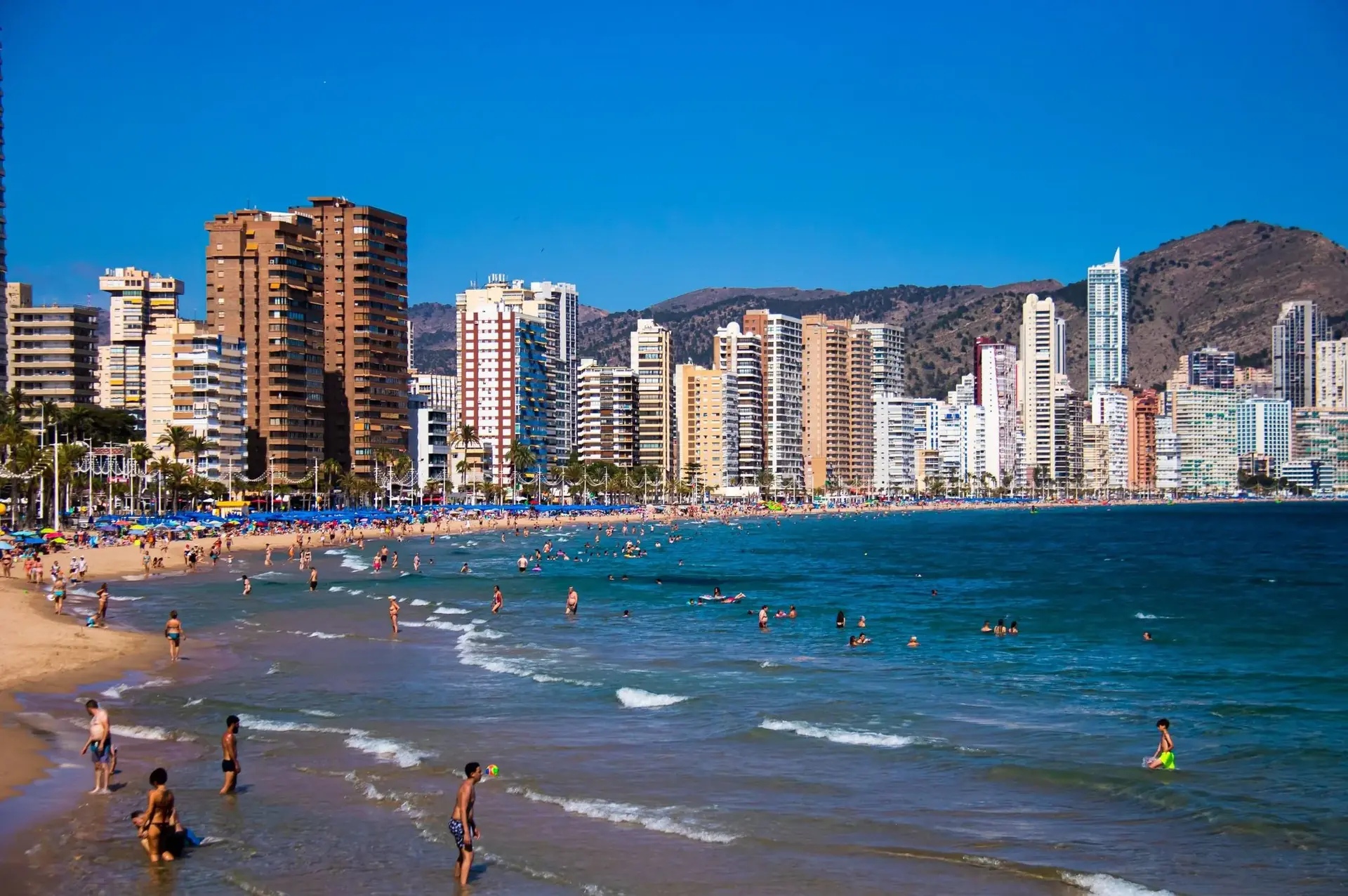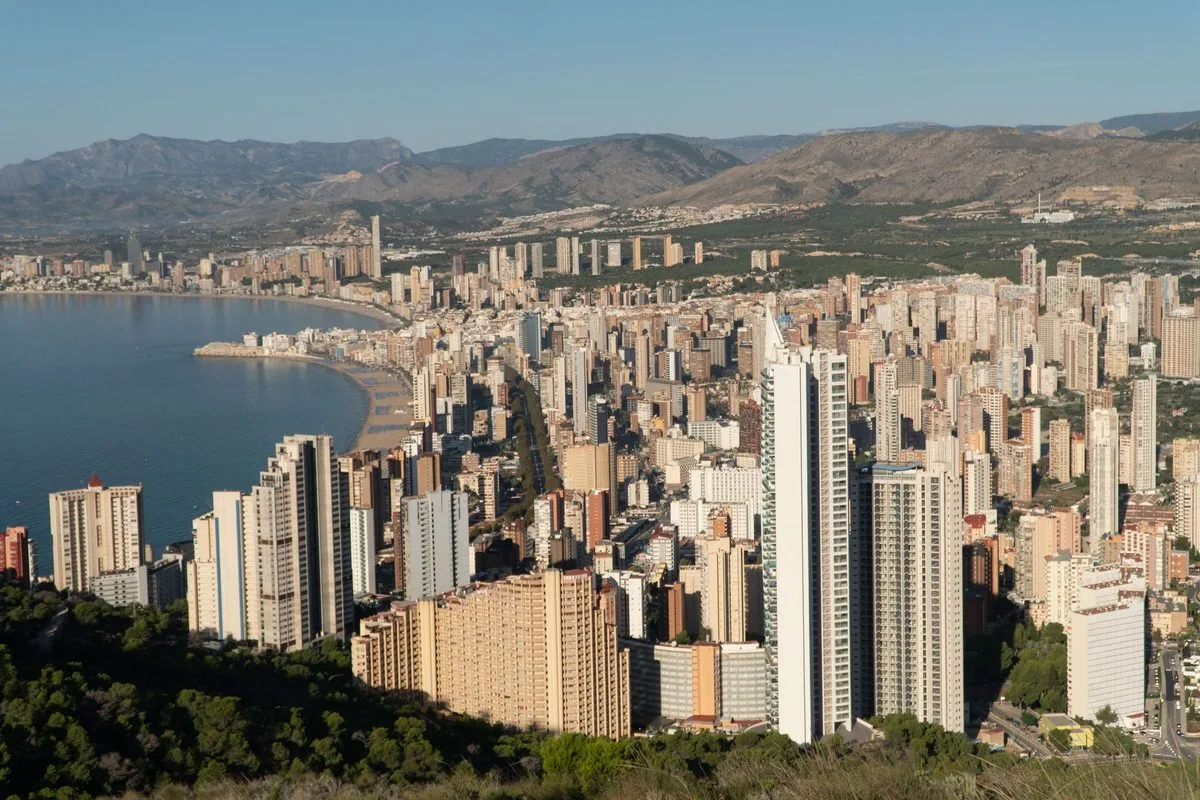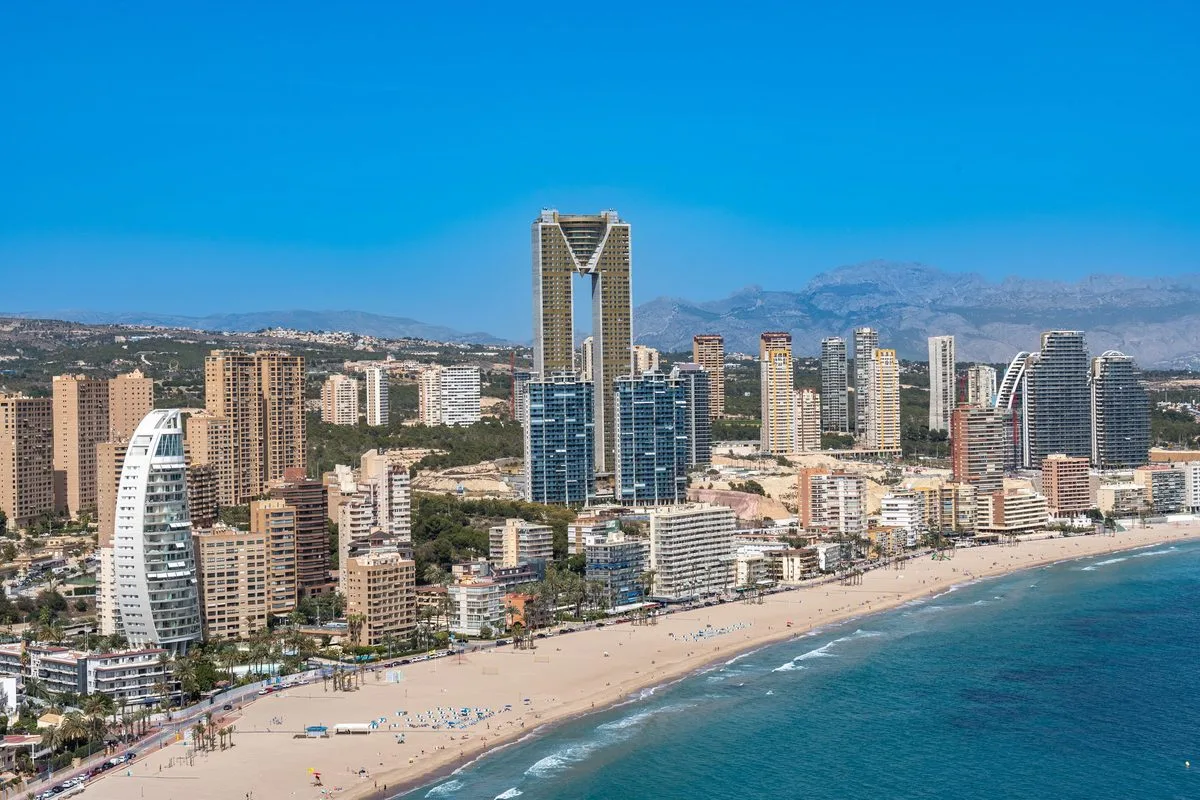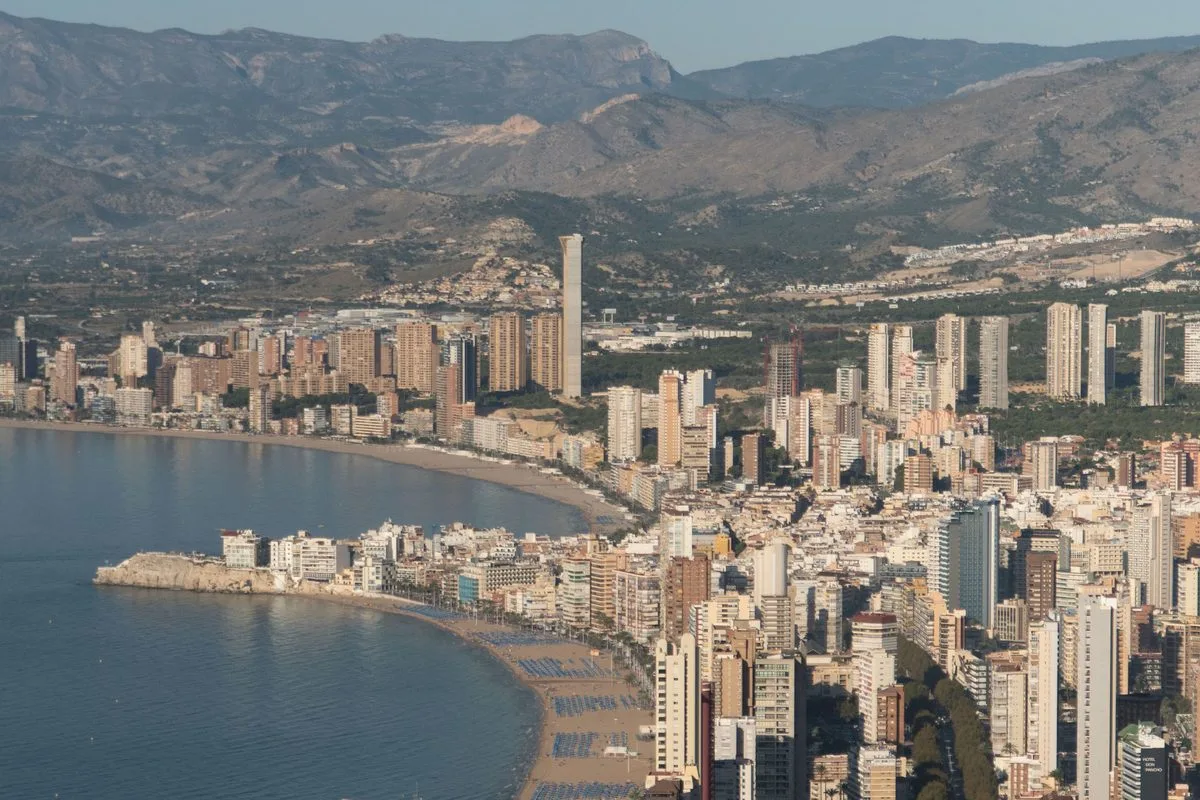
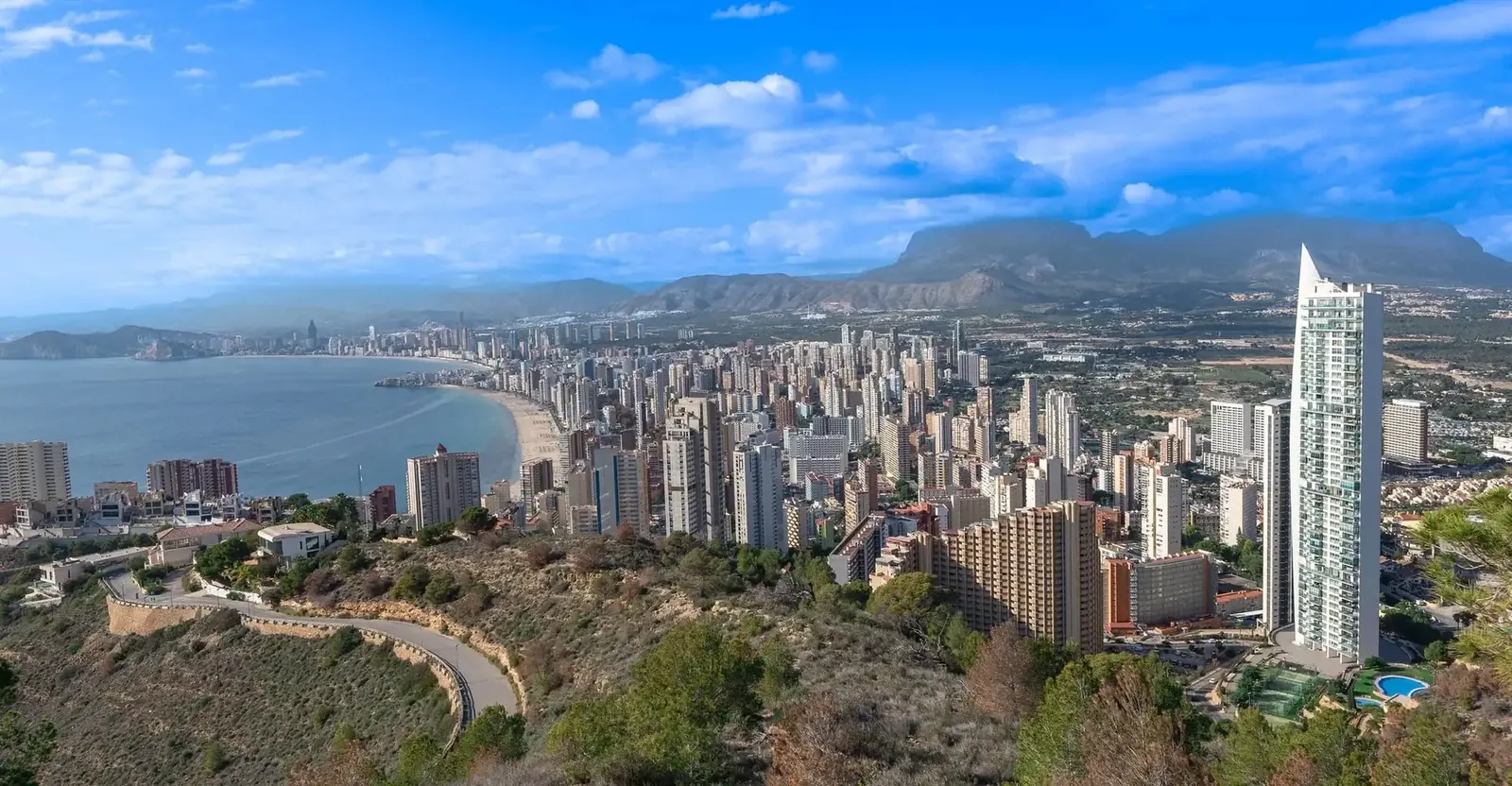
Benidorm’s skyline of high-rise buildings along two bays with the mountains behind

Costa Blanca North · Benidorm · Apartments

Apartments for Sale in Benidorm

High-rise living on two bays: the beach flats of Levante and Rincón de Loix, the town around the Balcón and the roomier apartments of Poniente and Pueblo Poniente.

Prevalence

How prevalent are apartments in Benidorm?

Apartments in Benidorm are the city’s main form of housing: the skyline along two bays is dominated by apartment towers, and many also serve the city’s tourism market. The city’s 2024 tourism report (benidorm.org, 24 January 2025) recorded 2,829,531 visitors and 15,460,265 overnight stays, with average occupancy of 77.7% for tourist apartments against 51.3% for tourist homes. Those are two different accommodation categories, so the figures provide tourism context rather than a measure of residential apartment supply. Occupancy figures are context, never a guarantee of rental returns.

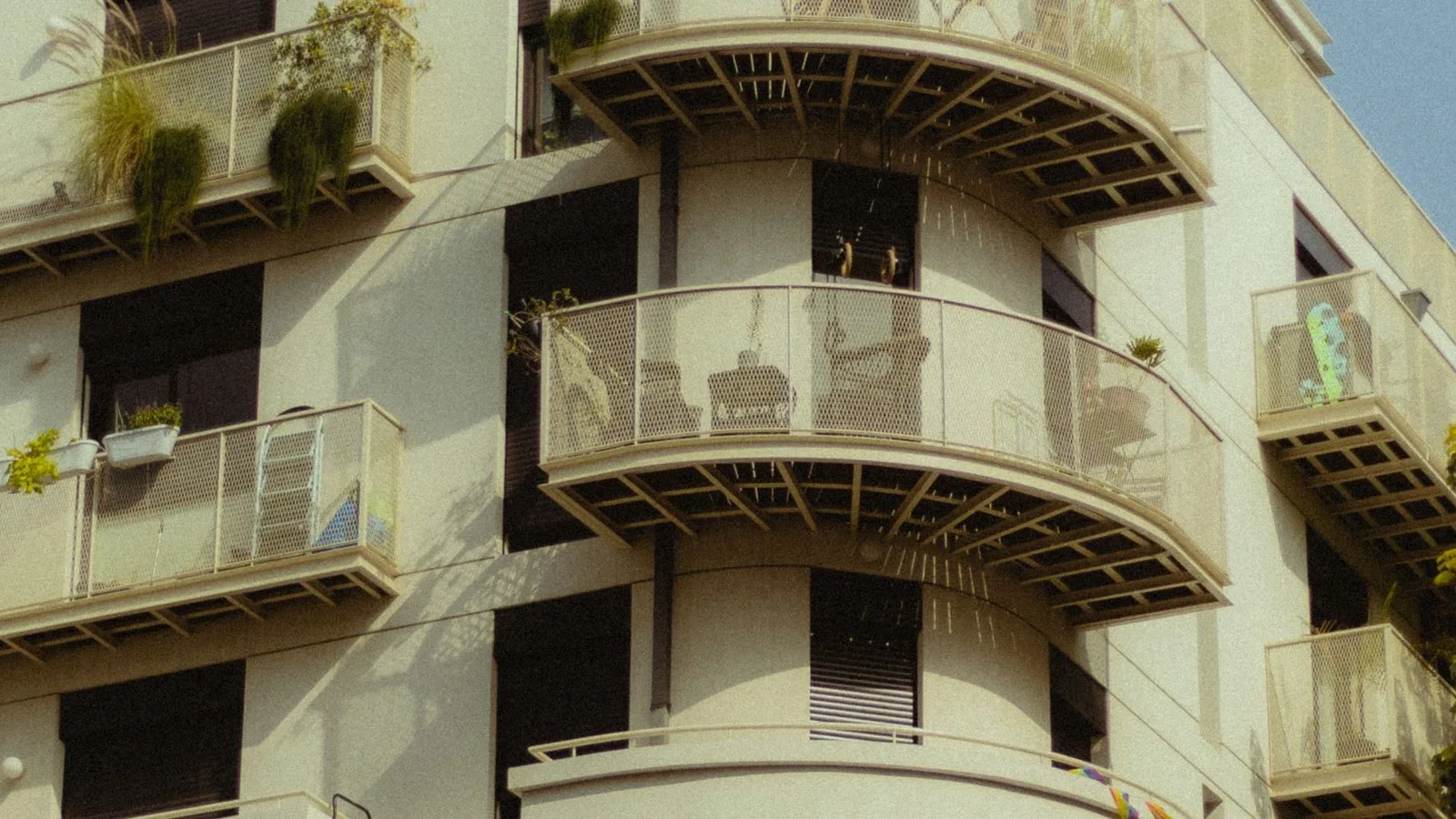
Curved cream apartment facade with white balustrades and palms on the terraces

What a typical apartment in Benidorm is like

A Benidorm apartment is usually a unit in a block or tower with multiple owners, a balcony or terrace, a lift and — in many developments — communal features such as a pool, gardens, parking and leisure facilities. The market can be divided into four main areas: the compact beach flats along the crescent of Levante, the towers and hillside blocks of Rincón de Loix (Rincón Alto, Rincón Bajo and the Zona Sierra Helada), the more residential core of Centro Urbano and Puerto around the old town and the Balcón, and the western bay with the newer towers of Playa de Poniente and the family-sized stock of Pueblo Poniente. Typical Mediterranean features — terraces, communal pools, gardens, storage rooms — are part of the appeal, but so are the practicalities of the owners’ community: its rules, monthly fees, reserve funds, and lift and façade maintenance history. You never buy an apartment on floor area alone — you buy into a building.

Where apartments in Benidorm are usually found

Beach flats & towers along the crescent of LevanteRincón de Loix: Rincón Alto, Rincón Bajo & the Sierra Helada areaCentro Urbano & Puerto: the old town, the Balcón and everyday amenitiesPlaya de Poniente & Pueblo Poniente: towers and family-sized apartments
Largest segment
Older & established resale
The bulk of the market: compact beach flats along the crescent of Levante, where cadastral records indicate that the most common building period is the 1960s and apartment sizes are typically 40–60 m²; older urban blocks in Centro Urbano and Puerto, most commonly from the 1970s, with apartments of 75–90 m²; and the 1980s resort developments of Rincón de Loix, Playa de Poniente and Pueblo Levante, again around 40–60 m² — towers and blocks often offering a lift, pool and terrace.
The dominant segment of the market and the source of most supply. Construction age and quality differ considerably from building to building: the cited sources provide neither apartment-specific age statistics nor a published percentage split between older, renovated and new properties. The district’s main building period does suggest what to check: lift provision, insulation, building inspections (ITE) and the level of community fees.
Locations in this segmentPlaya de LevanteCentro Urbano & PuertoRincón de LoixPlaya de PonientePueblo Levante
Significant segment
Renovated resale
Found above all in the older towers of Levante and Centro Urbano: kitchens, bathrooms, windows, glazing and services upgraded within older buildings, sometimes alongside improvements to lifts, façades and communal areas. ‘Renovated’ or ‘move-in ready’ is a claim until permits, invoices and the property’s technical condition support it — and an enclosed terrace is a legal matter, not just an interior feature.
A significant part of the properties on offer, because a renovated interior makes older apartments easier to market. Renovation of the private unit does not establish the condition of the building around it — structure, roof, façade, lifts, waterproofing and communal areas — which remains the responsibility of the owners’ community. Building age and apartment condition are two separate considerations at the same address.
Locations in this segmentOlder Levante towersCentro UrbanoRincón & Poniente
Small premium segment
New build — concentrated on Poniente
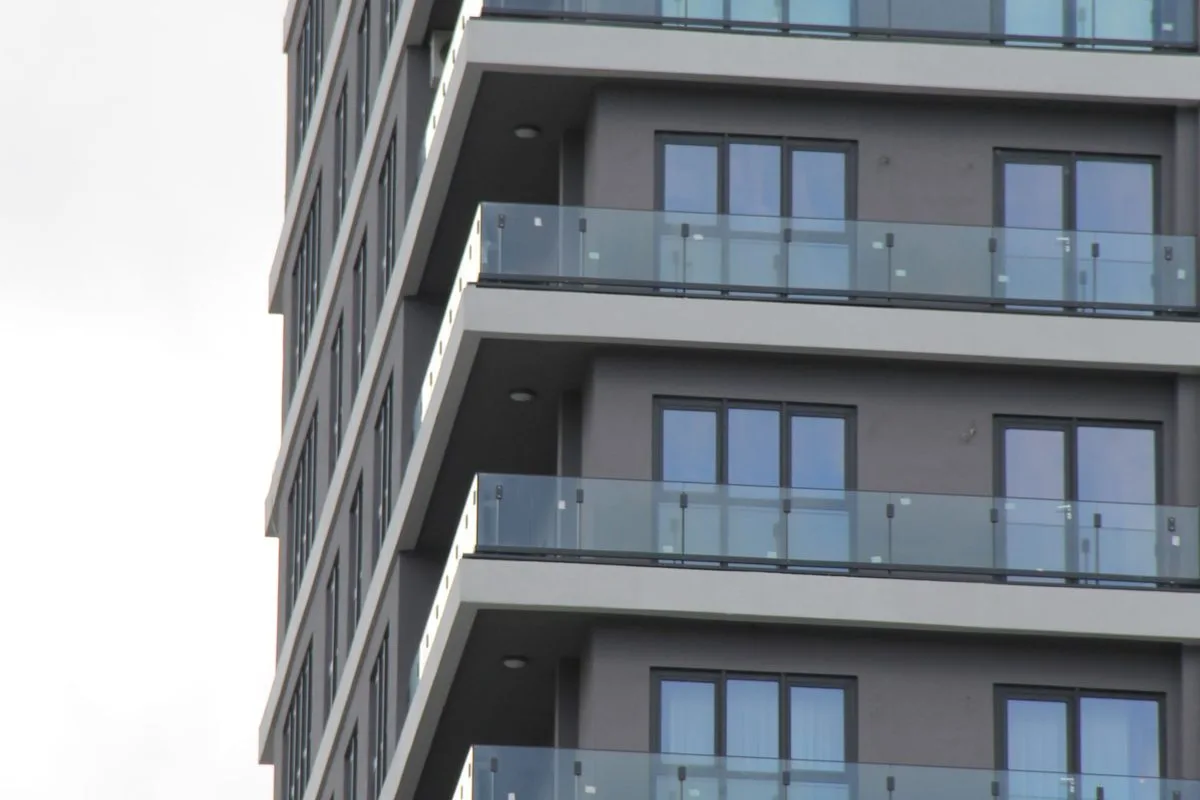
New builds in Benidorm form a concentrated, premium segment, most clearly around Playa de Poniente, with developments such as TM Tower, Diamond Residences by Intempo and Sunset Sailors offering terraces, parking and extensive communal amenities. Separately, the draft Ensanche Levante plan published for consultation (benidorm.org, 7 June 2021) proposed a 560,000 m² area with 65% allocated to public green space and facilities — a planning proposal, not a construction commitment.
A premium segment to assess and compare project by project: prices, specifications, completion dates and licence status differ between towers, and a marketing distance (‘150 metres from the beach’) may not reflect the actual route from your front door. A new apartment still comes with community rules, first-occupation documentation, guarantees and Benidorm’s tourist-letting requirements.
Locations and planning contextPlaya de Poniente developmentsEnsanche Levante (separate planning area)

Supply

Current apartment supply in Benidorm

Apartment supply in Benidorm is concentrated in three broad areas, each with its own character: the beach crescent of Levante and Rincón de Loix, where holiday apartments and towers dominate; the town itself — Centro Urbano and Puerto around the old town and the Balcón — with older, more residential properties; and the western bay with the newer towers of Playa de Poniente, the family-sized apartments of Pueblo Poniente and the municipal boundary near La Cala. Resale properties dominate throughout, with a noticeable proportion of renovated units and new builds concentrated in Poniente. Assess each building individually: its owners’ community matters as much as the area on the map.

The beach crescent

Levante & Rincón de Loix

The tourist heart of the city: the official beach profile describes Levante as a 2,084-metre urban beach with a long promenade, restaurants, entertainment, 21 walkway access points and one accessible beach area (Visit Benidorm); behind the promenade run Avenida del Mediterráneo, Avenida de Madrid, Avenida de Europa and Calle Gerona, lined with flats and towers. Rincón de Loix comprises three areas — Rincón Alto, Rincón Bajo and the Zona Sierra Helada — with slopes, views and apartments commonly built in the 1980s, typically around 40–60 m². The properties are mainly resales, including a noticeable proportion of renovated units; occupancy and noise levels vary with the season.

The town & the Balcón

Centro Urbano & Puerto

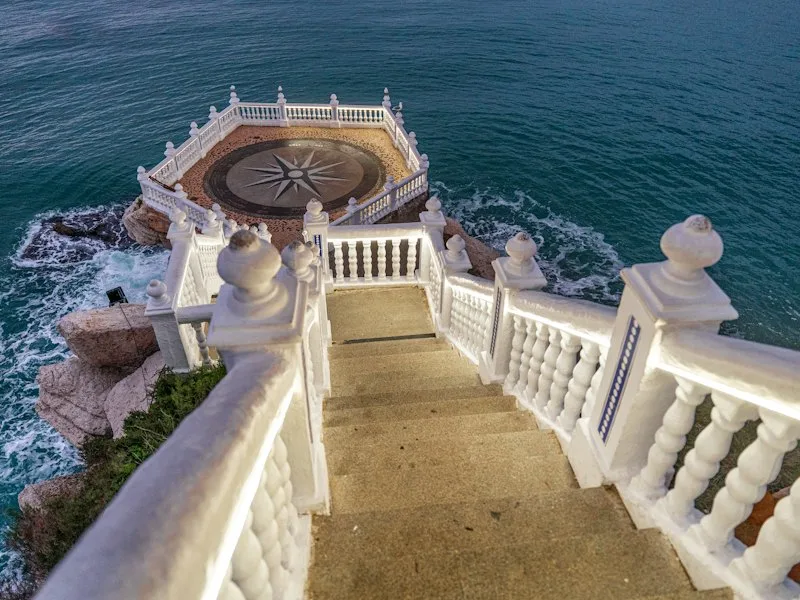
The residential core around the old town, the Balcón del Mediterráneo and the beach approaches: urban blocks with shops and everyday amenities within walking distance, suited to year-round life rather than resort stays. Centro Urbano’s cadastral profile points to buildings most commonly dating from the 1970s, with apartments of 75–90 m² — roomier than the beach flats, but in older buildings. The flip side of the central location: older construction, parking pressure and exposure to street and nightlife noise need extra attention.

The western bay

Playa de Poniente, Pueblo Poniente & La Cala

The roomiest side of the market: the official beach profile describes Poniente as a 3,100-metre beach, quieter than Levante and popular with Spanish visitors, with 49 access points, two of them accessible (Visit Benidorm), and a promenade along Avenida Armada Española and Paseo de Tamarindos. This is also where much of Benidorm’s new-build activity is concentrated, with several high-rise developments. Pueblo Poniente has a distinct character — newer and roomier, with apartments commonly measuring 75–90 m² in buildings dating from 2000–2010, and more residential than the seafront. Towards La Cala and the Tossal de la Cala, check the exact municipality and cadastral address.

A renovated apartment is not a renovated building
  1. Cosmetic improvements or full renovation?

    Paint, kitchens and bathrooms do not tell you the condition of the building: the roof, service risers, lift, façade, waterproofing and communal services remain the responsibility of the owners’ community. Ask what work was done inside the private unit and in the communal areas, which permits were obtained and whether building inspections (ITE) are up to date.

  2. Check the owners’ community first

    High-rise buildings have substantial shared maintenance needs: lift contracts, façade and roof repairs, pool equipment, accessibility works and planned special levies. Request the last three years’ meeting minutes, the annual budget, details of the reserve fund and confirmation of the seller’s payment status before assessing the total cost of ownership.

  3. Parking & storage room rights

    Parking is never automatic in Benidorm: older beach flats often lack it, or the space has a separate title. Check whether the space is a separately registered unit, an allocated communal space or held under a right of use, and whether the storage room is included in the sale.

  4. Registered vs. actual area

    Glazed balconies, enclosed terraces, storage enclosures, mezzanines and ‘underbuilds’ are not always recorded in the title deeds or the cadastre. Compare the Land Registry records, Catastro records, approved plans and an independent measured survey before making an offer.

  5. Occupation, planning & letting

    Obtain written confirmation of the building’s first or subsequent occupation documentation and the planning status for the exact cadastral reference. For tourist letting, Benidorm’s compatibility application asks for a 20-character cadastral reference, a site plan, a façade photograph and a descriptive report. Verify any ‘licence included’ claim against the relevant documents.

Concentration

Where Benidorm’s apartment supply concentrates

Benidorm’s apartment market spans two bays and several distinct areas: the crescent of Levante has a high concentration of holiday apartments; Rincón de Loix extends into Rincón Alto, Rincón Bajo and the Sierra Helada area; Centro Urbano and Puerto form the residential core around the old town and the Balcón; Playa de Poniente combines a quieter beach with newer towers and much of the new-build supply; Pueblo Poniente adds family-sized apartments; and around La Cala and the Tossal de la Cala, the exact municipal boundary needs checking. Each area has its own photo below — select a location in the list and the photo follows.

1. Playa de Levante2. Rincón de Loix & Sierra Helada3. Playa de Poniente4. Pueblo Poniente5. Pueblo Levante, Coblanca & Barrina6. La Cala & the Tossal de la Cala

Largest concentration · lively & walkable2,084 metres · promenade · entertainment

Playa de Levante

The beach crescent Benidorm is known for: a 2,084-metre urban beach with a long promenade, restaurants and entertainment, 21 walkway access points and one accessible beach area (Visit Benidorm). Behind the promenade, Avenida del Mediterráneo, Avenida de Madrid, Avenida de Europa and Calle Gerona run through an area of flats and towers; cadastral records indicate that buildings most commonly date from the 1960s, with apartments of 40–60 m². Levante is a strong choice for having the beach, amenities and restaurants within walking distance year-round, but occupancy, noise and crowds vary with the holiday calendar.

Typical supply

Mainly resale: compact beach flats and established towers, with a significant proportion of renovated units and the occasional upgraded block. Lift provision, parking and the state of the communal areas differ considerably between buildings — seafront prices reflect proximity to the beach and promenade.

Trade-off

The location comes with practical trade-offs: older towers need extra checks on lifts, building inspections (ITE), façades, waterproofing and registered floor area, and the beach side of Levante comes with noise from the promenade and nightlife, particularly in summer but also in winter. Buyers here gain walkability and seasonal energy — and should visit the building on a January morning.

Major tourist area · elevated & hillyRincón Alto · Rincón Bajo · Zona Sierra Helada

Rincón de Loix & Sierra Helada

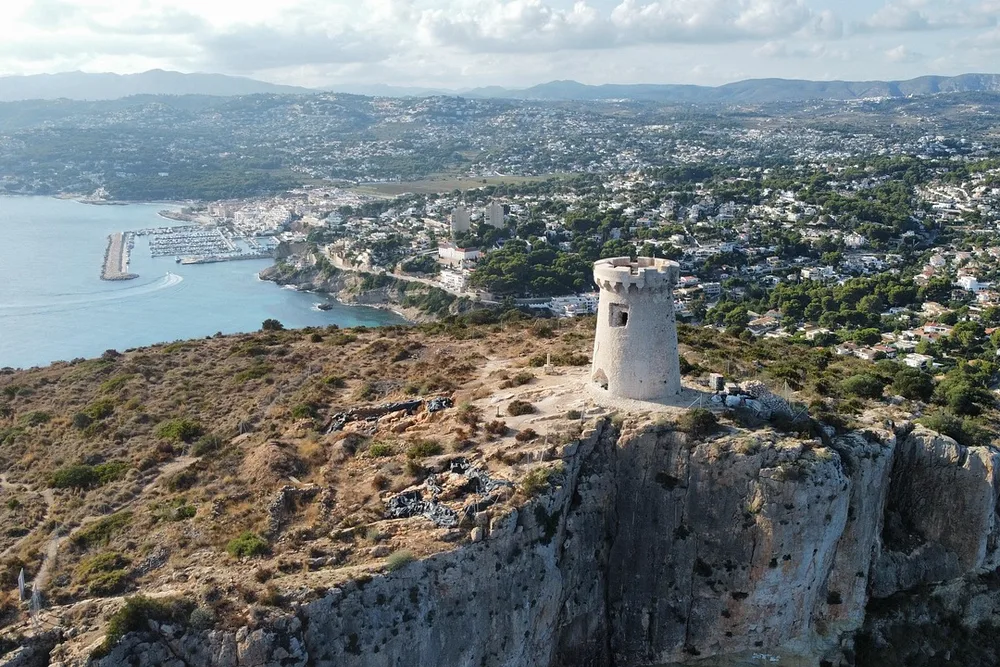
Three distinct areas: Rincón Alto, Rincón Bajo and the Zona Sierra Helada differ in gradient, outlook and character. The district’s cadastral records indicate that buildings most commonly date from the 1980s, with apartments of around 40–60 m², often with a communal pool and terrace. At the far end of Levante, the route runs through Sierra Helada towards Cala del Tío Ximo and Punta del Cavall, where the official tourism website highlights a 17th-century watchtower and cliff views: nature at the edge of the high-rise city.

Typical supply

Mainly resale from the 1980s and 1990s: apartments with a communal pool, a terrace and — higher up the slope — views. Renovated units form a noticeable premium segment; new builds are rare here. Construction dates, lift provision and parking differ considerably from block to block.

Trade-off

The slopes offer views but complicate access: road gradients, steps, taxi access and the step-free route from parking space to lift all matter. Walk the actual route from garage to apartment — in the Sierra Helada area, that can be the difference between a short stroll and a daily difficulty.

Premium seafront · new-build concentration3,100 metres · quieter · newer towers

Playa de Poniente

The western bay: a 3,100-metre beach that the official beach profile describes as quieter than Levante and popular with Spanish visitors, with 49 access points, two of them accessible, and a promenade lined with restaurants, bars and shops along Avenida Armada Española and Paseo de Tamarindos (Visit Benidorm). This is also where much of the new-build supply is concentrated, with developments such as TM Tower, Diamond Residences by Intempo and Sunset Sailors. Separately, the draft Ensanche Levante plan (benidorm.org, 7 June 2021) proposed allocating 65% of a 560,000 m² area to public green space and facilities.

Typical supply

Two segments side by side: established resale properties with sea views and premium new-build towers, which should be assessed project by project — prices, specifications, completion dates and licence status differ between towers. Renovated apartments can be found in the older seafront blocks; new developments offer terraces, parking and extensive communal amenities.

Trade-off

The view from a seafront tower depends partly on what may be built on the neighbouring plot. Check the current planning position for the exact address; a draft published for consultation is not a construction commitment. Ask each developer for the licence status, specifications and parking allocation, and measure the actual distance to the beach rather than relying on marketing.

Residential · newer & roomierFamily-sized apartments · built 2000–2010 · green spaces

Pueblo Poniente

The residential alternative to the seafront: a district whose cadastral profile stands out for buildings most commonly dating from 2000–2010 and apartments of 75–90 m² — roomier, newer and more residential than the beach flats. This is a different submarket, rather than simply a cheaper version of Poniente: family apartments, upgraded complexes and a rhythm less affected by the holiday calendar.

Typical supply

Resale in more recent developments: three-bedroom apartments with a terrace, often a garage space and storage room, in complexes with a pool and garden. Supply varies from complex to complex; prices reflect construction dates, the condition and finances of the owners’ community, and the distance to the beach and centre.

Trade-off

Buying more space usually means moving away from the seafront: the beach and nightlife are a walk or drive away, and a newer district does not automatically command seafront prices. Pueblo Poniente shows that newer apartments are not necessarily beside the water. Factor the garage space, storage room and school run into daily life.

Inland east · residentialAvenida de Mallorca · Avenida de Europa · 1980s

Pueblo Levante, Coblanca & Barrina

The inland search area on the eastern side of town: streets and residential developments around Avenida de Mallorca, Avenida de Europa, Coblanca and Barrina, where the district’s cadastral records indicate buildings commonly dating from the 1980s and apartments of around 40–60 m². The setting is more residential than the beach crescent and differs from a seafront Levante apartment, even when the marketing uses the word ‘Levante’.

Typical supply

Resale properties from the 1980s and 1990s in blocks with a pool and communal garden, including renovated units. There is no separate price index for this area — each property’s value depends on the building, its owners’ community and the actual distance to the beach and amenities.

Trade-off

The name on the listing does not establish the position on the map: work out the walking route to the beach, shops and TRAM stop yourself, and check whether ‘Levante’ in the marketing means the district or simply the eastern side of town. Prices are generally lower than on the seafront, but the distance should be factored into any assessment of value.

Near the municipal boundaryWestern edge · check the exact address

La Cala & the Tossal de la Cala

The western edge of the search area, around La Cala and the hill of the Tossal de la Cala: a transition zone where listings are sometimes marketed under nearby place names. For areas like this, confirm the exact municipality, cadastral address, planning status and transport links for each apartment — the name on the listing is only a starting point.

Typical supply

A varied selection of apartments in established complexes at the edge of town, with a mix of building ages. There is no separate price index for this area — each property’s value depends on the exact address, cadastral reference and owners’ community.

Trade-off

A quieter location can require extra checks: have a lawyer confirm the municipal boundary, planning status and water and sewerage providers for the exact address, and test the route to the beach, shops and public transport on an ordinary weekday outside the summer season.

Market data

Benidorm Property Market Data

Prices

How apartment prices vary in Benidorm

The price spread between areas is wide in Benidorm because each offers something different: prices in the crescent of Levante reflect the beach, promenade and nightlife; in Centro Urbano, the year-round life of the town; in Poniente, the seafront, newer towers and limited supply; and in Pueblo Poniente, space and building age. Within every area, seafront position, floor level, orientation, terrace, lift, parking, pool, building condition and eligibility for tourist letting can influence price as much as the address. The gap between asking prices and completed sale prices means you should request comparable sales or an independent valuation before making an offer.

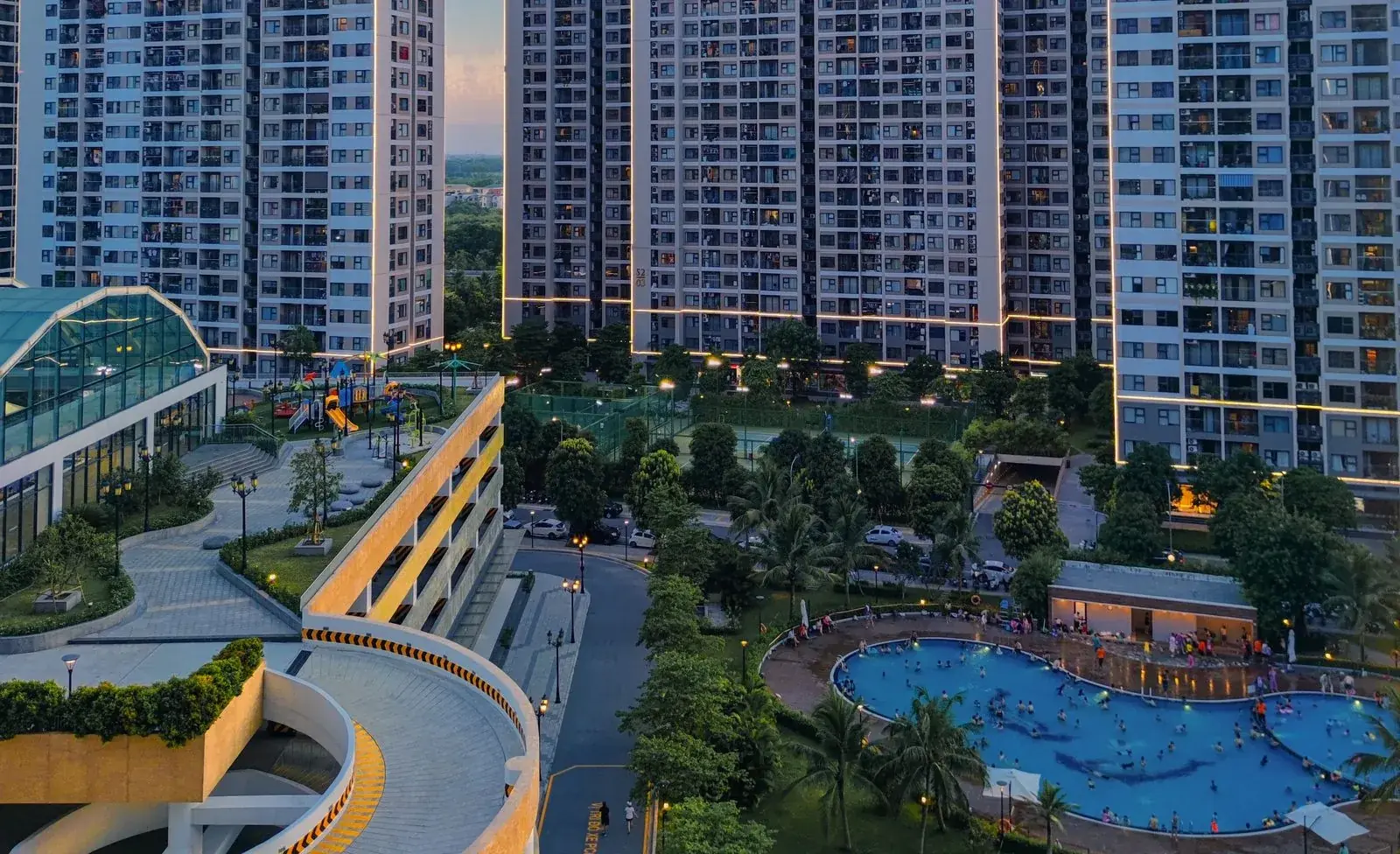
Apartment towers behind a communal pool and garden

Explore a price band

01/ 04

Band 01Benidorm

±€150,000–250,000

Band 02Benidorm

±€250,000–400,000

Band 03Benidorm

±€400,000–600,000

Band 04Benidorm

€600,000 and up

What drives the price per square metre in Benidorm

Four apartments with the same asking price per m² can be four different propositions. Seven factors decide where an apartment sits within its area — and the area itself also influences prices: compact beach flats, town apartments, properties around the western bay and premium towers serve different parts of the market.

Cutaway diagram of a Mediterranean apartment building with pool, terraces, lift core and parking

Budget levels

Which apartment does each budget buy in Benidorm?

The bands below are a general guide, not a price list: they reflect the property types buyers actually choose between, described by building age and apartment size using cadastral records for each district. The market starts with the compact beach flats of Levante, the middle ground includes 1980s resort apartments and roomier town units, and above it come the family-sized apartments of Pueblo Poniente and the premium towers of Poniente.

Up to ±€250,000

Compact beach flats from the 1960s

The entry-level market: flats and smaller apartments along the crescent of Levante, where cadastral records indicate buildings commonly dating from the 1960s and apartments of 40–60 m². The lowest prices usually reflect the building’s age: lift provision, insulation, noise from the promenade and nightlife, and community fees all need consideration. The renovation budget and the route from the street to the front door are part of the picture here.

±€250,000–400,000

1980s resort apartments & roomier town properties

The heart of the market: 1980s properties in Rincón de Loix, Playa de Poniente and Pueblo Levante around 40–60 m² — apartments with a communal pool, terrace and lift — beside the roomier town apartments of Centro Urbano, where the most common size is 75–90 m². Condition varies within this band too: it can include a neatly renovated beach flat or an older resort unit with a pool that needs updating.
±€400,000 and up

Premium towers, family-sized apartments & new builds

The upper end of the market: seafront and sea-view towers on Playa de Poniente and new-build developments (TM Tower, Diamond Residences by Intempo and Sunset Sailors), alongside family-sized apartments in Pueblo Poniente — commonly 75–90 m² in buildings dating from 2000–2010. The premium reflects outlook, terrace depth, specifications and communal amenities. Separately, the Ensanche Levante proposal published in 2021 (benidorm.org, 7 June 2021) outlines development in that planning area. Compare projects individually and ask for the licence status and specifications.
Search assistance

Finding the right apartment in Benidorm

We shortlist apartments available in Benidorm, with clear notes on each building: its owners’ community, construction date, eligibility for letting and parking rights.

Apartment towers above Benidorm’s beach in the afternoon sun

Checks

Benidorm-specific apartment checks

Six areas need particular attention in Benidorm: the owners’ community, its rules and high-rise maintenance fees; tourist-letting requirements under Valencian Decree-Law 9/2024, Benidorm’s Interpretation No. 9 of the 1990 PGMO (adopted 27 October 2025), and Organic Law 1/2025, alongside the May 2026 court ruling; floor area, terraces and registration; planning, occupation documentation and development, including the Ensanche Levante proposal; access, transport and parking; and seasonal conditions and year-round living. Community approval for new tourist-letting activity requires three-fifths of all owners, representing three-fifths of the ownership shares; a community-fee increase of up to 20% may also be agreed, without retroactive effect. Check the relevant documents with the owners’ community, municipality and Land Registry before making an offer.
Community, statutes & fees

  • The owners’ community directly affects your quality of life in a tower: request the community rules, the last three years’ meeting minutes, the annual budget, details of the reserve fund and the seller’s payment status, plus lift contracts, façade and roof maintenance history, pool equipment, accessibility works and planned special levies. Check and resolve any arrears before completion, as some outstanding community debts can remain attached to the property.
  • In the older towers of Levante and Centro Urbano, lift modernisation, façade and balcony repairs, damp, and electrical and plumbing upgrades deserve special attention. The district’s main building period can indicate the work likely to be needed. Older communities may have major works planned that result in special levies.
  • Restrictions on tourist or seasonal use sometimes appear in the community rules and apply alongside municipal requirements. Since 3 April 2025 (Organic Law 1/2025), owners starting tourist-letting activity in a building with an owners’ community also need its prior express consent. Check whether the community has restricted, imposed conditions on or prohibited the activity, or agreed additional community charges for it.

Narrowing the search

How to narrow your apartment search in Benidorm

Searching Benidorm involves a series of trade-offs: every district, building and apartment offers advantages at the cost of something else. The seven considerations below help decide where your search leads. One applies to every apartment purchase: you share the building with a community whose rules, fees and decisions also govern your home. Weigh them carefully and you can reduce your shortlist to a handful of buildings.

District & building age

District & building age

Cadastral records outline the main patterns: compact 40–60 m² beach flats in Levante, often dating from the 1960s; 75–90 m² town apartments in Centro Urbano (1970s); the 1980s resort developments of Rincón, Poniente and Pueblo Levante; and the newer family-sized apartments of Pueblo Poniente (2000–2010). Building age can indicate likely lift provision, insulation, building inspection requirements (ITE) and the level of community fees — use it to guide your checks on each building.

Levante or Poniente?
Levante or Poniente?
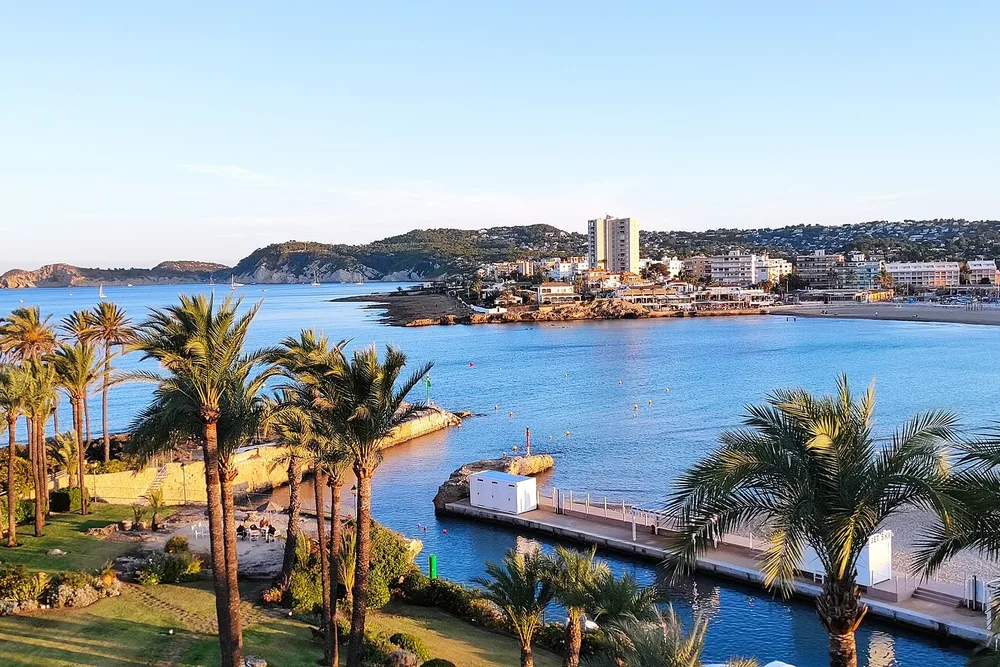
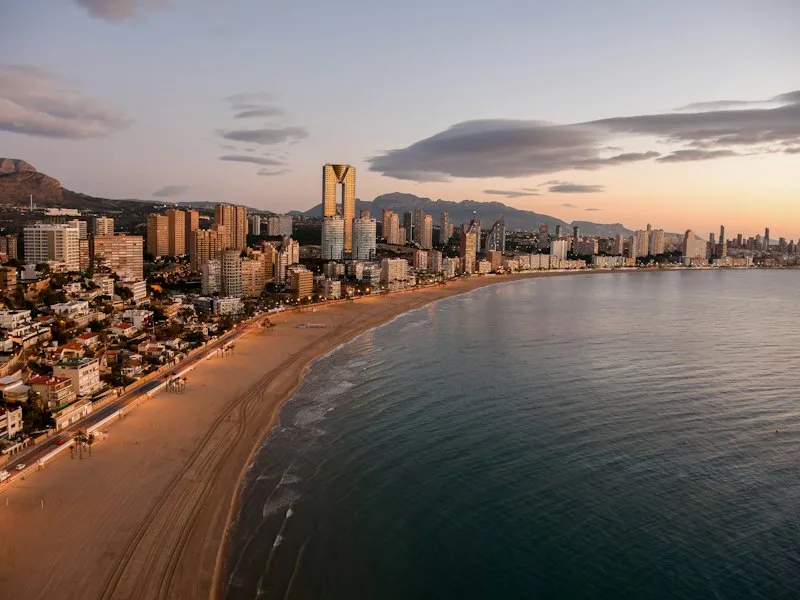
The two bays offer two lifestyles: Levante is 2,084 metres of urban beach with a promenade, restaurants and entertainment and 21 walkway access points; Poniente is 3,100 metres, described as quieter and popular with Spanish visitors, with 49 access points (Visit Benidorm). This is also a choice about noise: those who want seasonal energy may prefer the crescent of Levante; those who want quieter evenings may prefer Poniente or inland Pueblo Poniente.
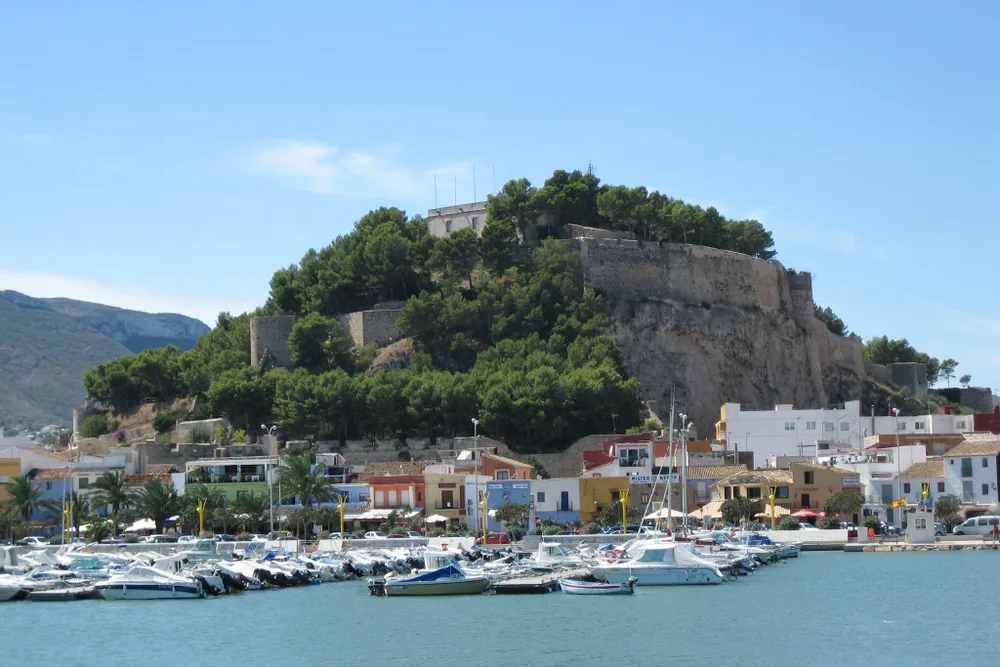

Rincón has three distinct areas

Rincón has three distinct areas

Rincón Alto, Rincón Bajo and the Zona Sierra Helada differ in gradient, outlook and character: the lower area is closer to the beach, while the upper area offers views but steeper routes. Through Sierra Helada, the route leads towards Cala del Tío Ximo and Punta del Cavall, with its 17th-century watchtower — nature within walking distance, but also steps and gradients. Walk the actual route from parking space to lift before you choose.

Terrace, glazing & privacy

Terrace, glazing & privacy

On the Costa Blanca, the terrace is a second living room — but in Benidorm it also needs legal checks: glazed balconies and enclosed terraces from earlier decades require the appropriate permissions and registration. Orientation affects sunlight and summer heat, floor level affects outlook and privacy, and proximity to the promenade and nightlife affects what you hear in the evening.

New build or resale?

New build or resale?

New builds in Benidorm are concentrated in Poniente, with developments such as TM Tower, Diamond Residences by Intempo and Sunset Sailors: assess them project by project, with prices, specifications, completion dates and licence status verified for each tower. The Ensanche Levante proposal relates to a separate planning area. Resale can offer immediate use and an established community, but the building’s age and condition need checking. Both options require the same question: what does the building’s documentation show?

Parking & storage room

Parking & storage room

In Benidorm, convenient parking is a significant part of a property’s appeal: towers may offer underground spaces with different ownership arrangements, while older beach flats sometimes have none. Check whether the space is a separately registered property (finca), whether the storage room is included in the sale and whether the route from space to lift is step-free. For longer stays and winter visits, these details can matter as much as floor area.

Eligibility for letting in each building

Eligibility for letting in each building

Tourist letting depends on the exact address, not simply the area: check the Valencian requirements under Decree-Law 9/2024 (an entire property, stays of ten consecutive days or fewer, and five-year registration), Benidorm’s compatibility report under Interpretation No. 9 of the 1990 PGMO, and community consent under Organic Law 1/2025. Approval requires three-fifths of all owners, representing three-fifths of the ownership shares; a community-fee increase of up to 20% may also be agreed, without retroactive effect. Verify eligibility for the specific building and cadastral reference before relying on rental income.

A good fitLifestyle

The low-maintenance second home by the bay

The classic Benidorm choice: an apartment in a tower by Levante or Poniente, with the community handling the pool, garden, lifts and any shared security services. You can lock up and leave, with communal maintenance continuing while you are away and the promenade, restaurants and beach there when you return.

Lock up and leaveCommunal maintenanceBeach within walking distance
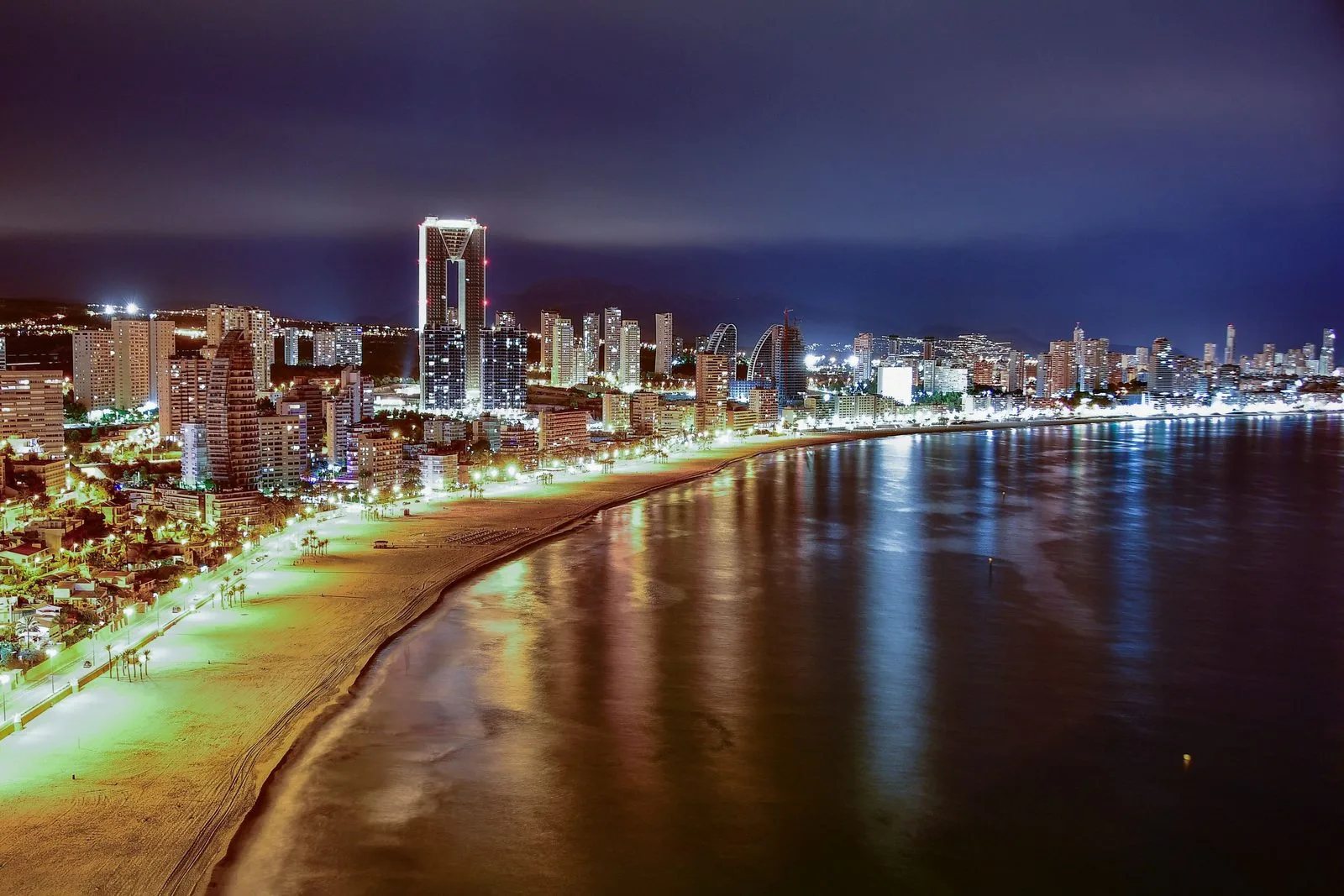
Illuminated apartment towers above Benidorm’s beach in the evening
You lock up; the community maintains the shared areas.
Benidorm in winter
Test the apartment in winter, not only in August
  • Where does the afternoon sun fall on your terrace in January? Winter sun can matter far more than it seems to in August: return on a winter afternoon and see how much sunlight the terrace and living room actually receive.
  • How do seafront windows and shutters hold up in winter storms? Check for damp, salt damage and draughts around frames and shutters. Coastal winds affect façades, balcony edges and metalwork, especially in seafront buildings and those immediately behind them.
  • How is the building heated? Ask about heating in the apartment and communal areas, check for damp in the stairwell and look especially carefully at the lower floors, where winter moisture problems can be more pronounced.
  • Is the pool maintained through winter? Ask about filtration and water treatment in the colder months and who pays for them, including any spring reopening costs. In towers, also ask about year-round security, lift maintenance and management.
  • Try your usual routes in January: to the supermarket, pharmacy and doctor’s surgery that are open then, and to the TRAM station on Av. Beniardá or the bus station on Paseo Els Tolls. These journeys show whether the location works year-round.
  • Are the garage and storage room dry after the autumn rains? Check the parking level and storage room for damp and puddles — the lowest levels are more vulnerable, and in basement garages the drainage deserves extra attention.
  • How lively is the promenade in February? Which restaurants and shops are open then, and how does an evening walk along the Balcón feel in the low season? This helps you decide whether the outdoor lifestyle suits you seasonally or year-round.

Frequently asked questions

Questions about buying an apartment in Benidorm

Are apartments common in Benidorm?
Yes — apartments are the city’s main form of housing, dominating the skyline along both bays. The city’s 2024 tourism report (benidorm.org, 24 January 2025) recorded 2,829,531 visitors and 15,460,265 overnight stays, with average occupancy of 77.7% for tourist apartments against 51.3% for tourist homes. These are different accommodation categories; the figures provide context for the tourism market rather than a measure of residential apartment supply.
Which districts are best for getting around on foot?
The crescent of Levante (a 2,084-metre urban beach with 21 walkway access points, backed by Avenida del Mediterráneo and Calle Gerona), Centro Urbano and Puerto around the old town and the Balcón, and the Poniente seafront are good starting points. The TRAM station on Av. Beniardá and the bus station on Paseo Els Tolls provide connections across the region. Rincón Alto and the Sierra Helada area are hillier — walk the actual route to the beach and shops.
Where are Benidorm’s premium apartments?
Premium apartments are concentrated where seafront locations, sea views and newer towers meet: Playa de Poniente, with developments such as TM Tower, Diamond Residences by Intempo and Sunset Sailors alongside established sea-view properties. This describes the type and location of properties, not a price list: every project has its own specifications and completion schedule. Ask for comparable completed sales or an independent valuation before making an offer.
Can I buy an apartment in Benidorm and rent it to tourists?
Possibly, but never assume it. Under Valencian Decree-Law 9/2024, tourist-use dwellings are entire properties offered for ten consecutive days or fewer to the same tenant, with a favourable municipal compatibility report and registration valid for five years. Benidorm adopted Interpretation No. 9 of the 1990 PGMO on 27 October 2025. Since 3 April 2025, Organic Law 1/2025 has required prior community consent for new tourist-letting activity, with approval from three-fifths of all owners representing three-fifths of the ownership shares. A community-fee increase of up to 20% may also be agreed, without retroactive effect. Case law continues to evolve (CGPJ, May 2026): have a lawyer confirm the current position for the building before factoring in income.
Are Benidorm apartment prices based on completed sales?
The figures published by portals and agencies are generally asking-price indicators, not transaction data — the public sources cited here do not provide a reliable apartment-only transaction series for each Benidorm district. That is why this page uses building age and apartment size from cadastral records as general guidance alongside indicative price bands. Ask for comparable completed transactions or an independent valuation before making an offer.
Should I expect community fees?
Almost always, and they can be higher in high-rise buildings: lifts, pools, gardens, security, and façade and roof maintenance are shared costs. Older communities may also have major works planned that require special levies. Obtain the budget, the last three years’ meeting minutes, reserve-fund information and details of pending levies when assessing the total cost of ownership.
What does the age of buildings in a district tell me about an apartment?
It provides useful context: the cadastral district profiles point to buildings most commonly dating from the 1960s, with apartments of 40–60 m², for Playa de Levante; the 1970s with 75–90 m² for Centro Urbano; the 1980s for Rincón de Loix, Playa de Poniente and Pueblo Levante; and 2000–2010, again with 75–90 m², for Pueblo Poniente. Building age can indicate likely lift provision, insulation, renovation needs and communal maintenance requirements — then check the individual building.
Are apartments in older towers accessible?
Some are, some are not. Older blocks may lack a lift, have lifts needing upgrades, tight parking spaces or steps at the entrance. Check building inspection records (ITE) and the full route from the garage or street to the apartment, including door widths, gradients and step-free access, rather than relying on a ‘central’ location label.
Do I need a car in Benidorm?
Not necessarily: the official tourism website presents the city as easy to enjoy without one. The town centre, beach crescent and Poniente seafront are compact and walkable, with the TRAM station on Av. Beniardá and the bus station on Paseo Els Tolls providing public transport connections. A car can still be useful on the slopes of Rincón Alto, in the Sierra Helada area, around La Cala and for journeys to the airport, about 60 km away.
What should I check about a terrace or pool?
Confirm ownership, registered floor area, planning permission, community approval, waterproofing, drainage and maintenance responsibilities. A glazed balcony or enclosed terrace needs the appropriate permissions and records in the Land Registry and cadastre. Establish whether a pool is communal, private or reserved for the apartment’s use — each arrangement carries its own costs and maintenance obligations.

On the map

Apartments for sale in Benidorm on the map

Benidorm lies on the Costa Blanca in the province of Alicante, between the Levante and Poniente bays.

Browse by Property types

Other property types in Benidorm, Spain

Compare apartments with the alternatives in the same municipality — each with its own trade-offs.

Browse by location

Where to Buy Apartment in Spain in other locations?

Every municipality in Marina Baixa and the northern Costa Blanca has its own apartment market, from seafront locations to inland towns.

Alfaz del Pi with the L’Albir coastlineCoastal · L’Albir

Apartments in Alfaz del Pi

Apartments around L’Albir with its beach, promenade and Bulevard dels Músics, the residential developments above it and new builds in Escandinavia–Cautivador — a quieter neighbouring market north-east of Benidorm.

Altea with its whitewashed old town on the bayCoastal · old town

Apartments in Altea

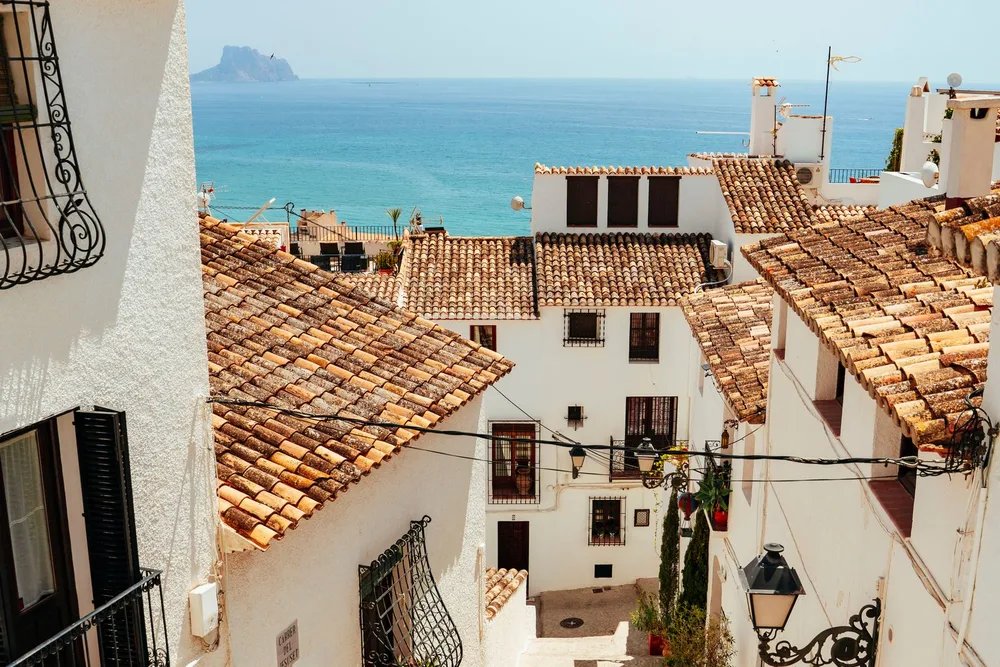
A contrast to Benidorm: apartments around the whitewashed old town with its blue church domes, the La Roda seafront and the hillside developments of Altea Hills — a short drive north-east through Alfaz del Pi.

Calpe with the Peñón de Ifach above the bayCoastal · Peñón

Apartments in Calpe

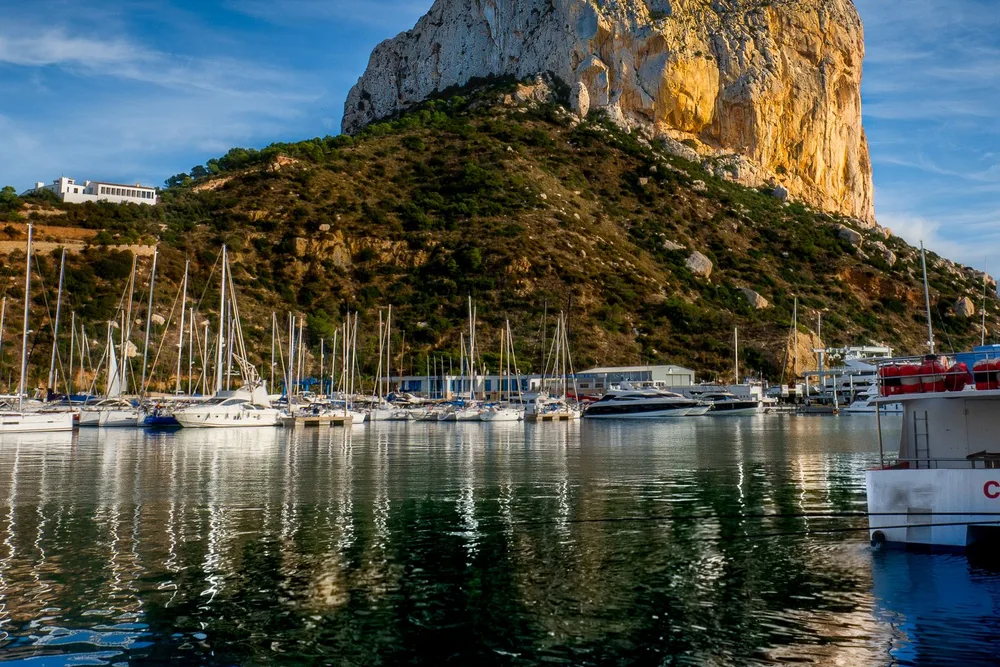
Seafront and sea-view apartments around the Peñón de Ifach, Arenal-Bol beach and the salt flats — one of the region’s larger apartment markets, north of Benidorm along the coast road.

Moraira with its marina and coastlineCoastal · marina

Apartments in Moraira

A compact apartment market around the marina, the castle and the coves — small-scale, premium and firmly rooted in the international resident community, north of Calpe.

Finestrat between beach and SierraCoast & inland

Apartments in Finestrat

Apartments around La Cala de Finestrat and the Sierra de Finestrat — growth led by new developments near the boundary with Benidorm, with the historic village further inland. Always confirm the exact municipal boundary at Benidorm’s western edge.

Benissa between inland and coastal covesCoast & inland

Apartments in Benissa

Two distinct markets: coastal apartments by the coves of the Benissa Coast and quieter properties in the historic inland town, near Calpe and north of Benidorm.

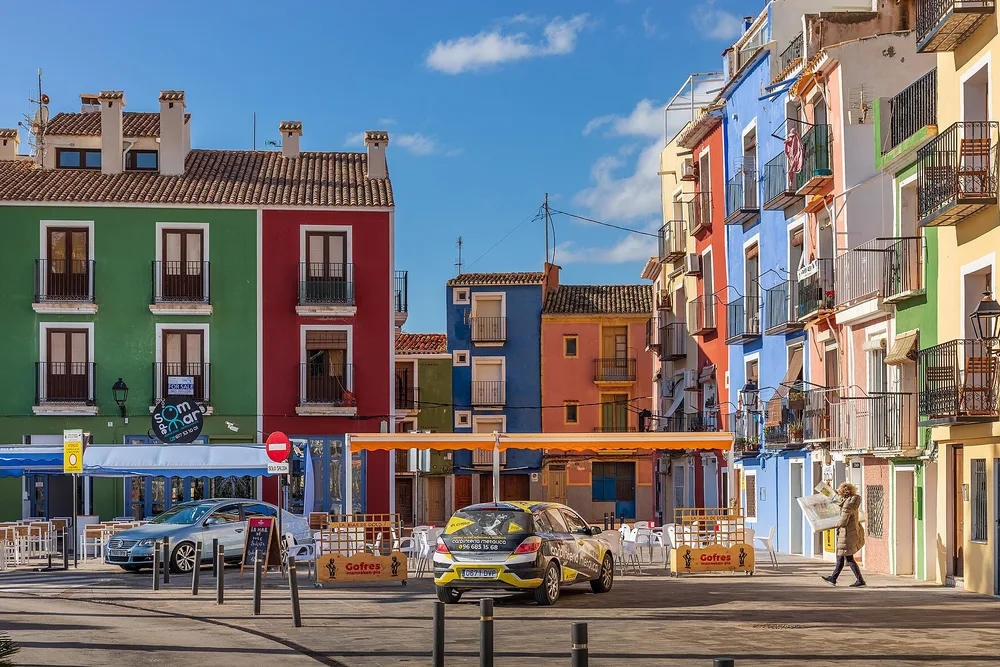
Villajoyosa with its coloured facades and the coastlineCoastal · colourful façades

Apartments in Villajoyosa

Apartments around the colourful seafront, La Cala and Poble Nou–Montiboli, where the municipality’s new developments are concentrated, on the route between Benidorm and Alicante.

La Nucía on its height above the bayInland · sports

Apartments in La Nucía

Apartments in a town known for its sports facilities and everyday amenities, on higher ground above the bay — a year-round setting in the hills north of Benidorm.

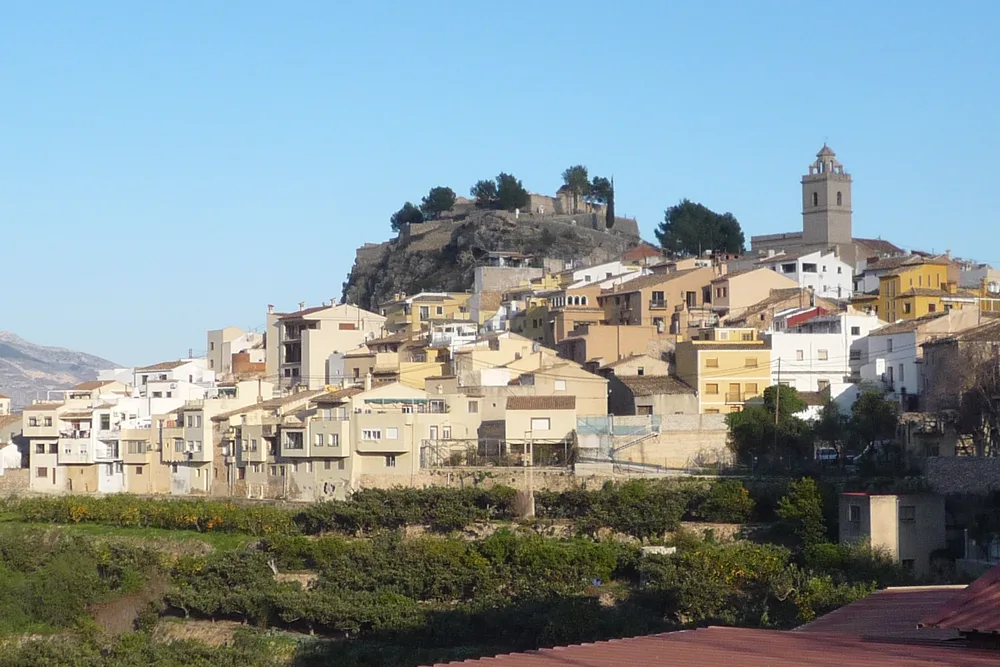
Polop with its castle hill and the inlandInland · village

Apartments in Polop

A small apartment market around the village and its castle hill and springs — quiet, affordable and a short drive inland from Benidorm and La Nucía.

Benitachell with the Cumbre del Sol above the coastCoastal · Cumbre del Sol

Apartments in Benitachell

Apartments with views in Cumbre del Sol between Jávea and Moraira — a resort market with sea-view properties above Cala del Moraig.

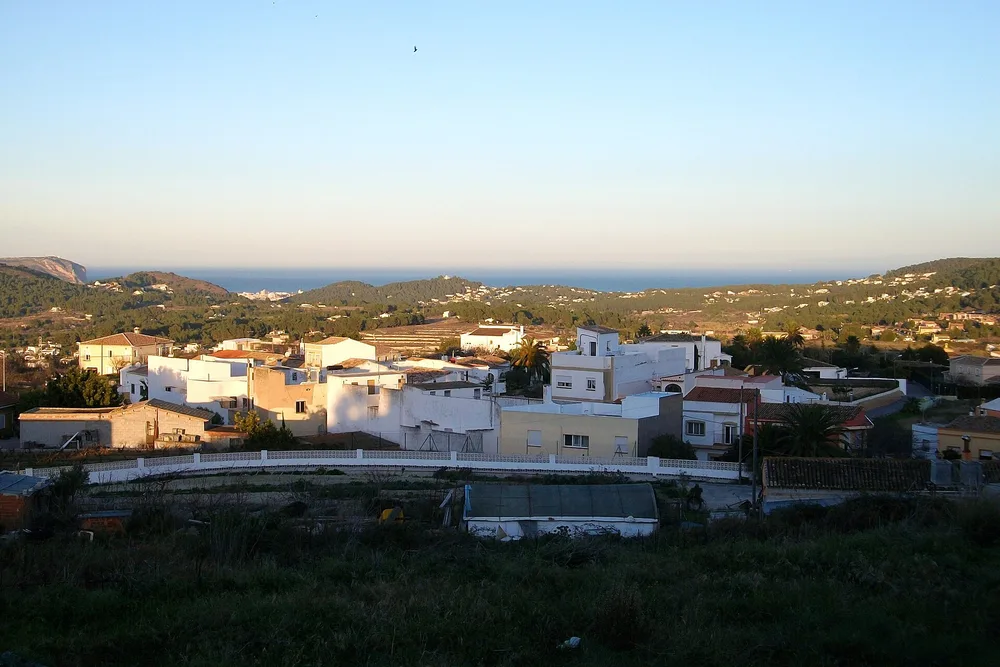
Jávea with its bay and the Montgó in the backgroundCoastal · three main areas

Apartments in Jávea

Apartments across three main areas — the historic centre, port and Arenal — with the Montgó as a backdrop and one of the region’s larger resale markets, on the northern coast.

Denia with its castle and the Las Marinas coastlineCoastal · castle town

Apartments in Denia

Apartments between the castle, old town and the twenty-kilometre stretch of Las Marinas — a year-round town with ferry services, restaurants and a wide choice of properties, at the northern edge of the region.

Area guide

Explore Benidorm with our guide

Our Benidorm guide covers the whole city: the crescent of Levante with its promenade, the old town around the Balcón del Mediterráneo, the three areas of Rincón de Loix, the quieter western bay of Poniente, residential Pueblo Poniente and Sierra Helada, with the route towards Cala del Tío Ximo and Punta del Cavall — helping you decide which area suits your search.

Benidorm with its skyline above the bay

Contact Altea Casas

Looking for a property on the Costa Blanca? Tell us what you’re looking for, and our team will get back to you shortly.

Send Us a Message

Data protection information under the General Data Protection Regulation (EU) 2016/679 (GDPR) — read more.